I had the pleasure of training for my first Ironman with Jerrold, a good friend and triathlete known as J’Wow. He’s like a little brother to me. He’s rescued me when I was suffering from heat exhaustion during a long training ride and encouraged me to run with him when I was suffering from stomach pain during our first Ironman. And like any little brother, he thoroughly enjoys annoying me with his teasing.
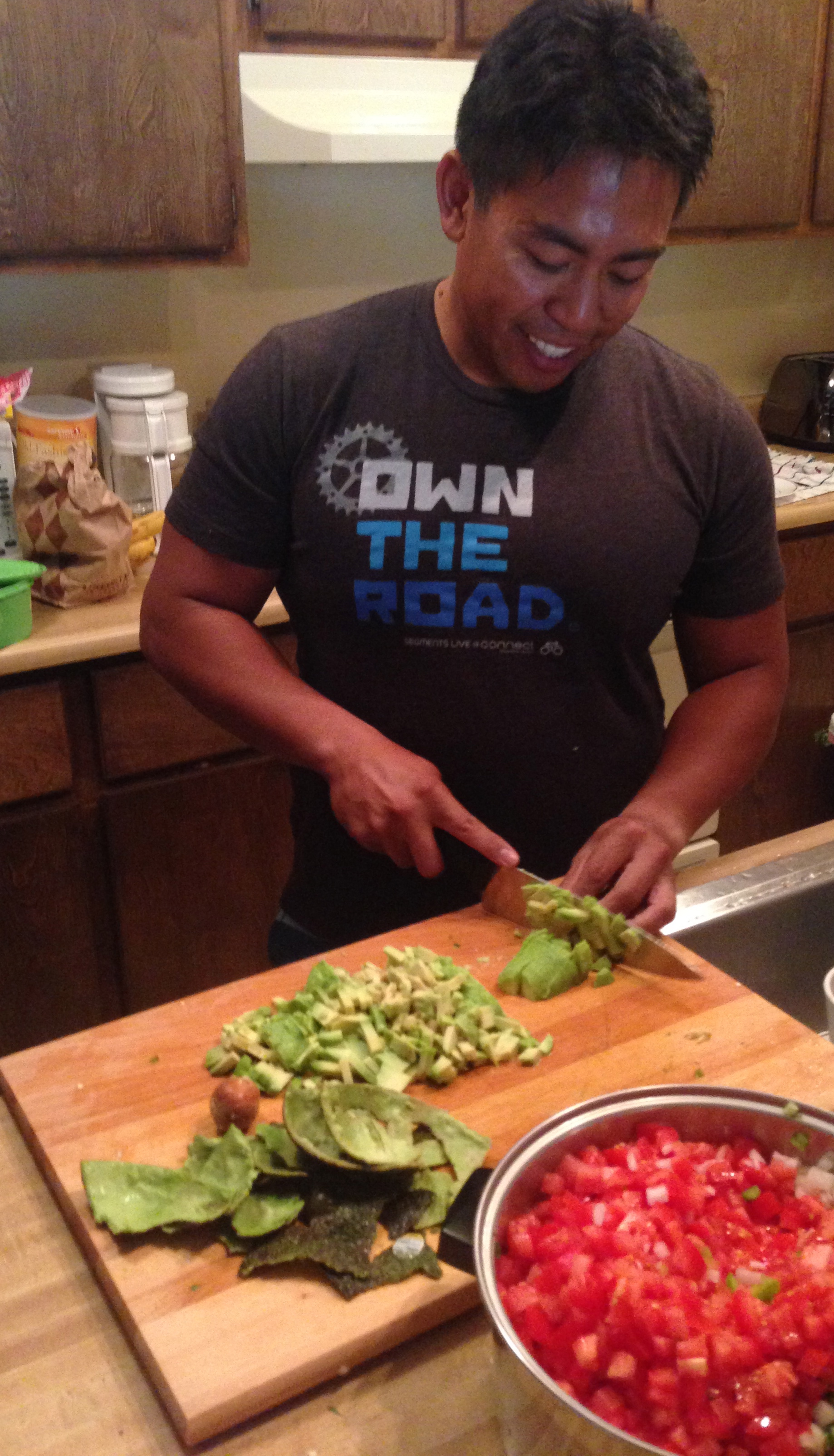
I joined J’Wow at Lake Tahoe this summer when he came up to train with his coach. This is when I discovered J’Wow’s delicious fresh salsa. Fresh salsa is a very healthy snack. Tomatoes, onions, jalapeños and lime juice contain vitamin C. Jalapeños contain capsaicin, which generates heat, increases the heart rate when consumed and naturally raises the metabolic rate. Avocados contain healthy fats, mostly oleic acid, which helps reduce bad cholesterol. In addition, avocados contain protein, fiber and is an excellent source of potassium. What a delicious way to consume raw and nutritious fruits and vegetables.
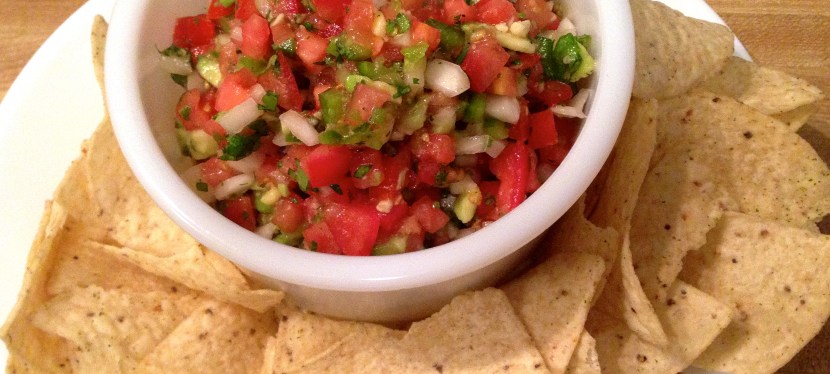
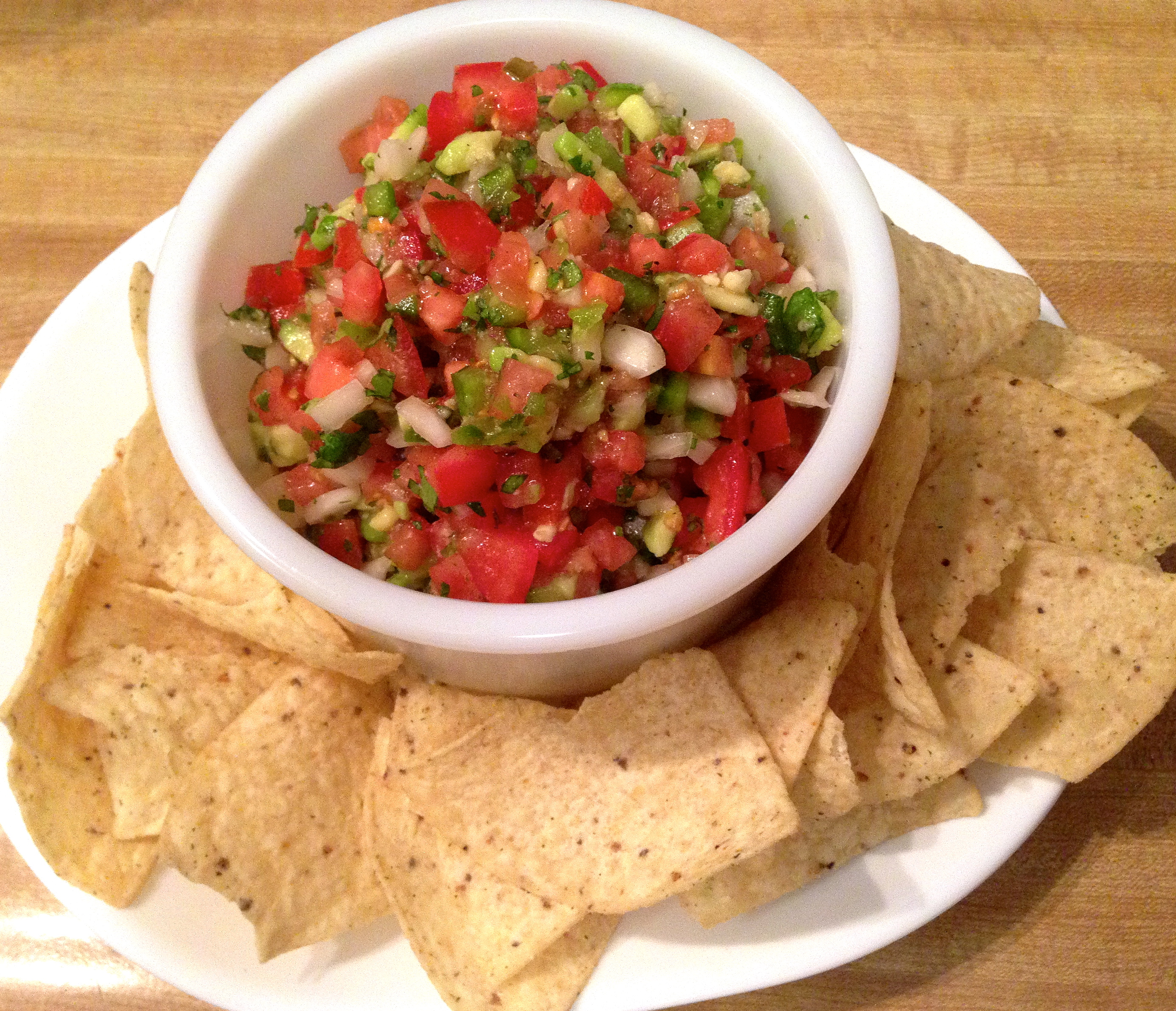
J’Wow prefers chips with a hint of lime flavor to serve with the salsa. I’ve used the salsa with fish tacos, burritos and a variety of chips. Although you can serve the salsa right away, it tastes even better the next day after all the flavors have had a chance to marry. We had 6 people in the house and this recipe made enough salsa for us to enjoy for 2 days.
Serving size: 12
Ingredients:
10 tomatoes on the vine diced
1 large yellow onion diced
1 green bell pepper diced
3 ripe avocado diced
¼ cup finely chopped cilantro
2 – 2 1/2 jalapeño peppers, seeds removed and minced
½ cup of lime juice (4 medium fresh limes)
Salt & pepper to taste
Directions:
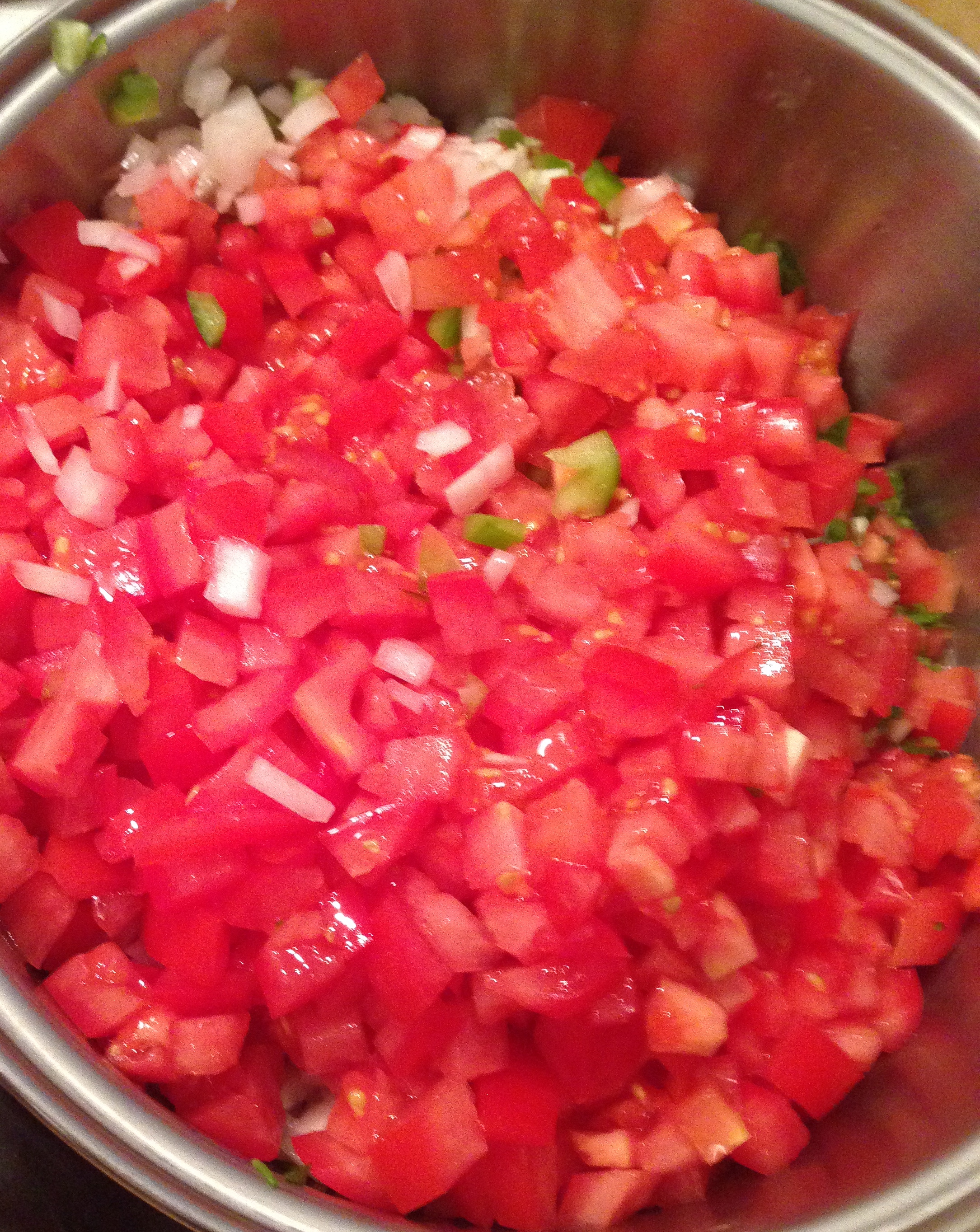
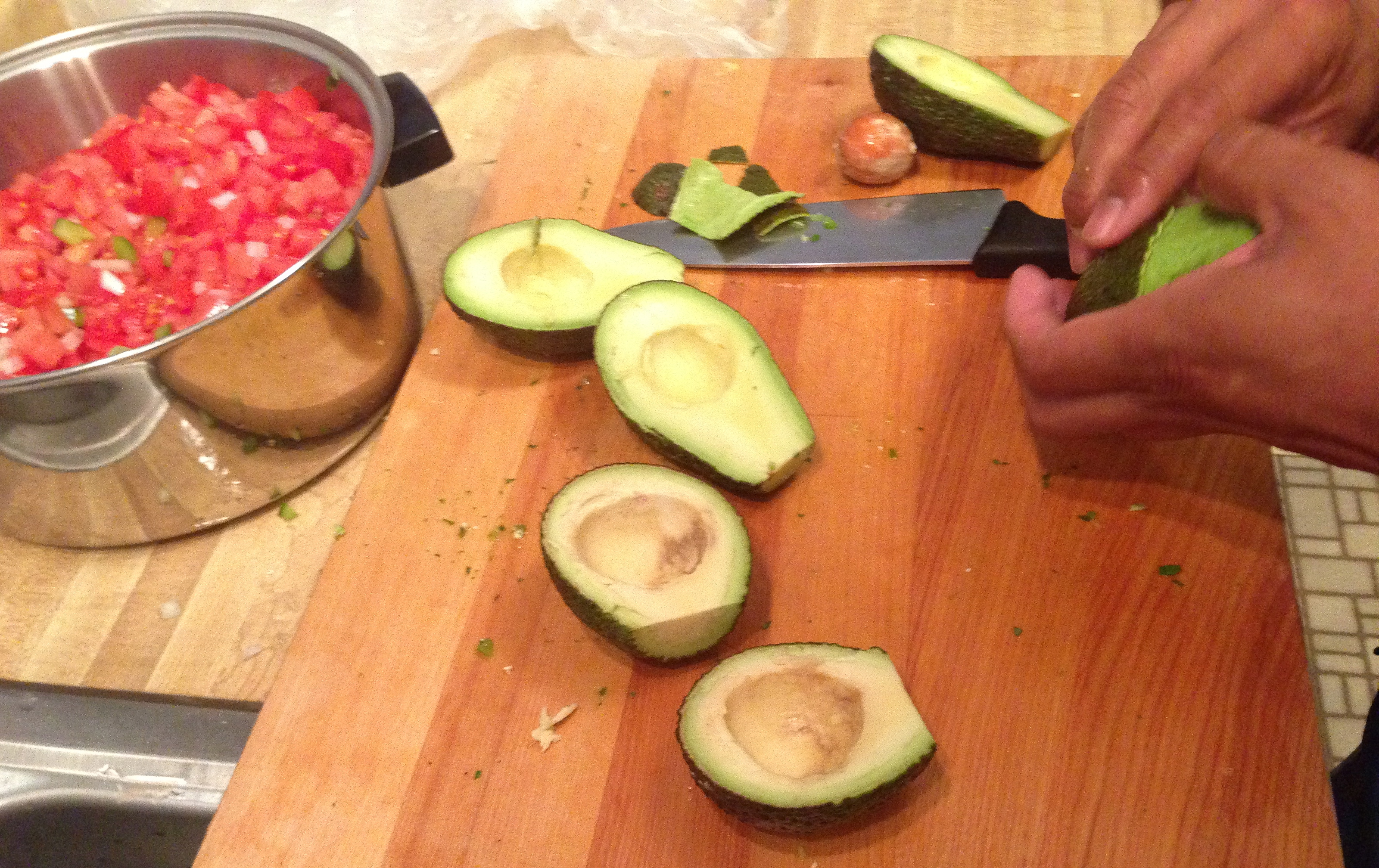
In a large bowl, dice the tomatoes, onion, green bell pepper and avocado. Add finely chopped cilantro and minced jalapeno peppers. I removed the seeds and was careful to wash my hands well after handling the peppers. Add more or less peppers depending on your taste and how hot the peppers are.
Add the lime juice. One fresh medium lime should yield about 2 teaspoon of juice. If the limes are small or dry, you may need more than 4 limes to yield ½ cup. To get the most juice out of a lime, I put pressure roll it on the cutting board while putting pressure on it with the palm of my hand. I then use a reamer. You can also put it in the microwave for 20 seconds before squeezing.
Toss all of the ingredients together. Add salt and pepper to taste.
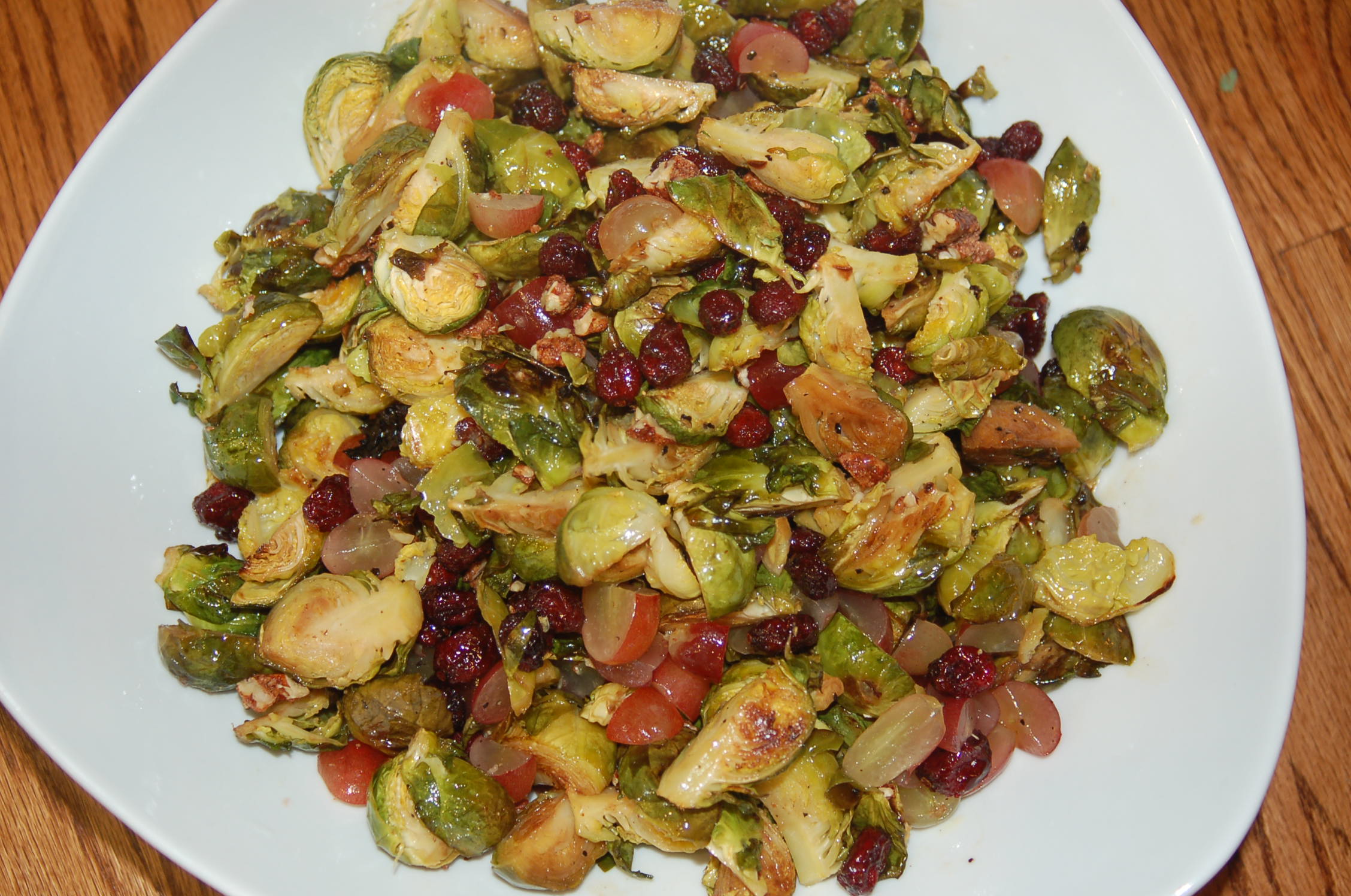
One of my dearest friends, Nicole, who I love to train and eat with, requested a vegetable side dish that would accompany the ham and pulled pork she was serving at her holiday party. She asked if I could make some sort of Waldorf style salad that was easy to eat buffet style. My Roasted Brussels Sprouts Salad with grapes, dried sweetened cranberries and candied walnuts was born out of this request. Nicole’s husband Mark, requested I toss in crispy bits of pancetta in the future, although he did say this was the best Brussels sprouts he ever had prepared without bacon or pancetta.
I have to admit. Until now, I thought they were called “brussel” sprouts. They are called “Brussels” sprouts. Brussels sprouts are the buds of wild cabbage. They are nutritious and a good source of fiber. For more nutritional information on Brussels sprouts, check out this article:
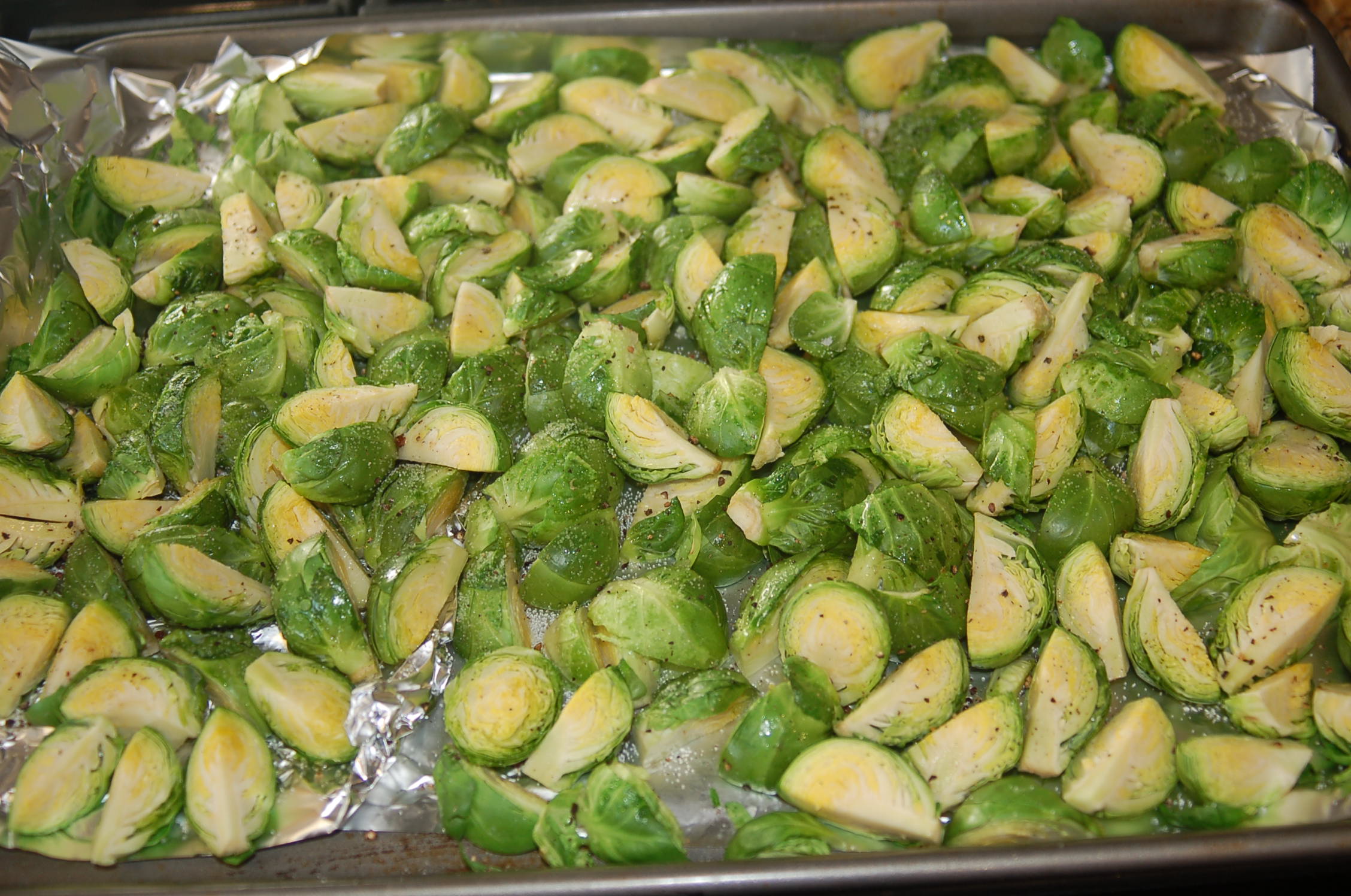
Cut Brussels sprouts into quarters and toss in 3 tablespoons of olive oil. Spread on baking sheet lined with aluminum foil (because I hate scrubbing the pan after). Sprinkle with salt and freshly ground black pepper. Bake in oven for 15 minutes. With a spatula, flip Brussels sprouts to ensure even browning. Sprinkle with Balsamic vinegar and bake for additional 10 minutes or until lightly brown and tender.
While the Brussels sprouts are cooling, prepare dressing by whisking together ¼ cup of olive oil, Dijon mustard, lemon juice, honey, salt and pepper.
In mixing bowl, toss Brussels sprouts in dressing. Toss in grapes, cranberries and candied walnuts. Serve warm or cold.
Cut the Brussels sprouts into quarters and toss in olive oil. Season with salt and pepper.
“I have walked that long road to freedom. I have tried not to falter. I have made missteps along the way. But I have discovered the secret that after climbing a great hill one only finds there are many more hills to climb.” – Nelson Mandela
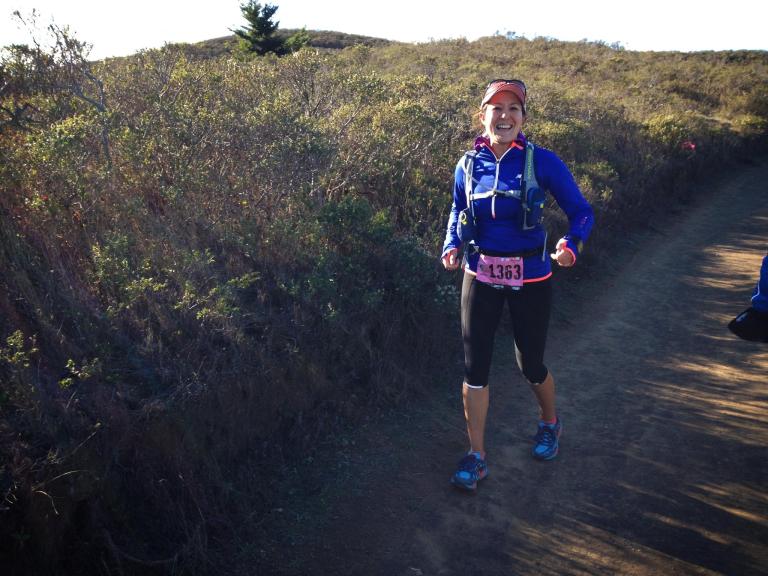
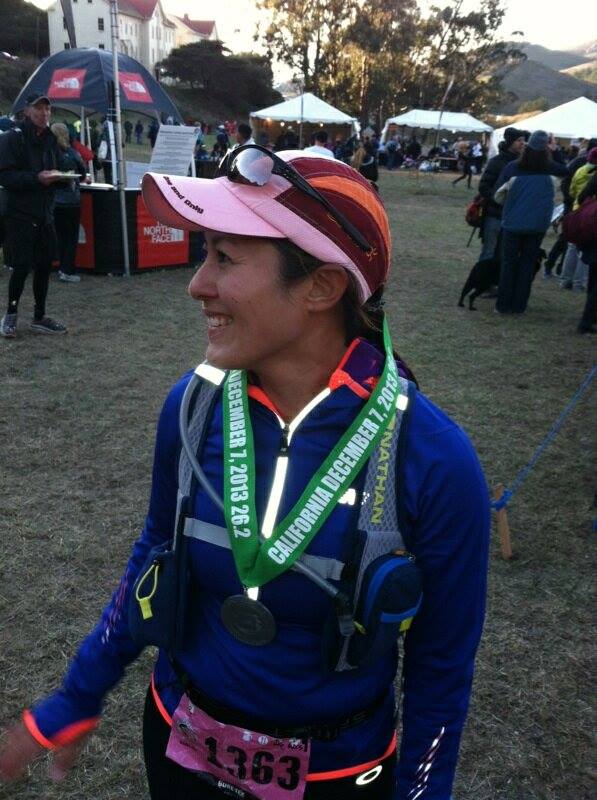
Mandela passed away 2 days prior to my first trail race, The North Face Endurance Challenge (NFEC), marathon distance. His words were my mantra as I climbed the hills of the Marin Headlands. My other inspiration came from my dear friend Kelly, a 10 time Ironman and 2 time 50 mile endurance runner who had to miss racing the 50K NFEC because her cancer had returned a few weeks before. While I was sad she could not be out there on the course with me, seeing her the day before the race lifted my spirits. She reminded me to enjoy my race; I reminded myself to be grateful. A big “thank you” to NFEC for deferring Kelly’s registration to any NFEC race she wants to do next year.
I signed up for this race to console myself after my DNF at Ironman Lake Tahoe (IMLT). A friend racing the 50K recommended it. Since I was pulled from the IMLT course at mile 60+ on the bike, I still had some pent up energy brewing inside my body. However, after a long training season, I was too mentally exhausted to do another Ironman right away. Doing a trail marathon seemed like the perfect answer. It was something new and challenging to focus my attention on. I admit I was frightened when I discovered there was 4,500 feet of climbing. I was also intimidated by the trails. While I had trained for IMLT by running on some local trails, I am very new to trail running. I am still learning how to navigate around the uneven and bumpy terrain. My goal for the race was to survive it without doing a face plant or spraining my ankle.
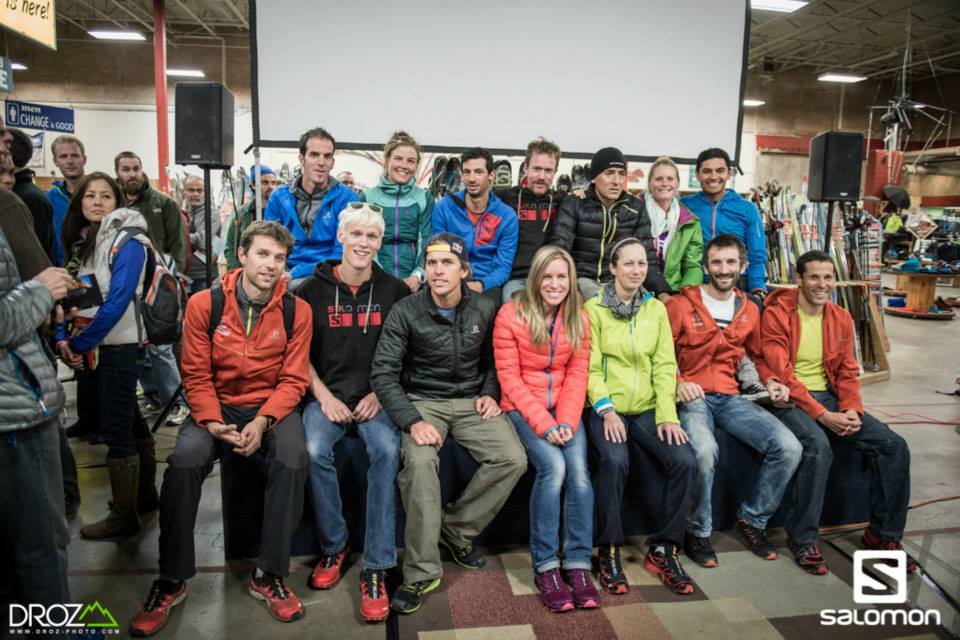
The temperature was between 35-40F on the morning of the race. Located in the Marin Headlands, just over the Golden Gate Bridge on the other side of San Francisco, the NFEC California is the “championship” of the series of NFEC races. As a result, some of the world’s top endurance athletes were competing that morning. A couple days prior to the race, I attended a panel discussion. I inadvertently photo-bombed a photo shoot with the athletes’ sponsor, Salomon. Oops. Just call me Gump, Forest Gump.
My apologies to Salomon fo the photo bomb. Some of the athletes here are: François D’haene, Michel Lanne, Cameron Clayton, Emelie Forsberg, Ryan Sandes, Kilian Jornet, Ricky Gates, Miguel Angel Heras and Anna Frost.
The 50 miler race began at 5 am! Yes, it was dark and cold at that time. Here’s a fun video of the elite male racers. It’s challenging enough to run the trails in broad daylight, let alone in the dark with headlamps.
The 50K race began at 7 am and the marathon (my race) began at 9 am. I arrived early to see my 50K friends at the start. Since I had a couple hours before my start, we drove to Sausalito where I ate a big traditional bacon and eggs breakfast. It was divine.
After being frozen at Ironman Lake Tahoe, I wasn’t taking any chances. I wore two layers on top, a fleece headband and inserted hand warmers inside my gloves.
Takeaways
I carried too much food and too much water (2 liters) in my hydration backpack for the marathon distance. I think I will carry just a handheld bottle or a smaller hydration pack in the future. The aide stations were fully stocked with all the food I needed and were close enough for me to survive with less water.
Solid food worked well for me on a trail race. Salted boiled potatoes, peanut butter and jelly sandwiches, pretzels and oranges are my favorite. I waited until mile 13 to start consuming coke and took only 1 gel the entire day at mile 20.
Power walking up the hills saved my legs. I was successful in making up time on the flats however lost a lot of time on the descents. I need to learn how to run faster downhill. I know I will improve over time with practice. For my next race, I will focus on running up some of the hills. I ran this race very conservatively because I was afraid of dying out on the course from all the climbing.
Trail running is a much more laid back and supportive community. There was much more encouragement and camaraderie from fellow racers than any other race I’ve ever been in.
Trail races offer the best free food for their athletes. Unfortunately, as usual, I am unable to eat much after several hours of physical exertion. It is important to consume some calories within 20 minutes so I came prepared with a frozen chocolate milk, my favorite recovery drink. It was so cold that my chocolate milk was still a little slushy 10 hours later when I finally drank it.
I finished about 44 minutes over my estimated goal time. My legs felt remarkably good 24-48 hours after the race. My quads, hamstrings and hip flexors were tight but I have felt worse after a half marathon. My feet were a bit tender but no worse than after any other marathon distance running.
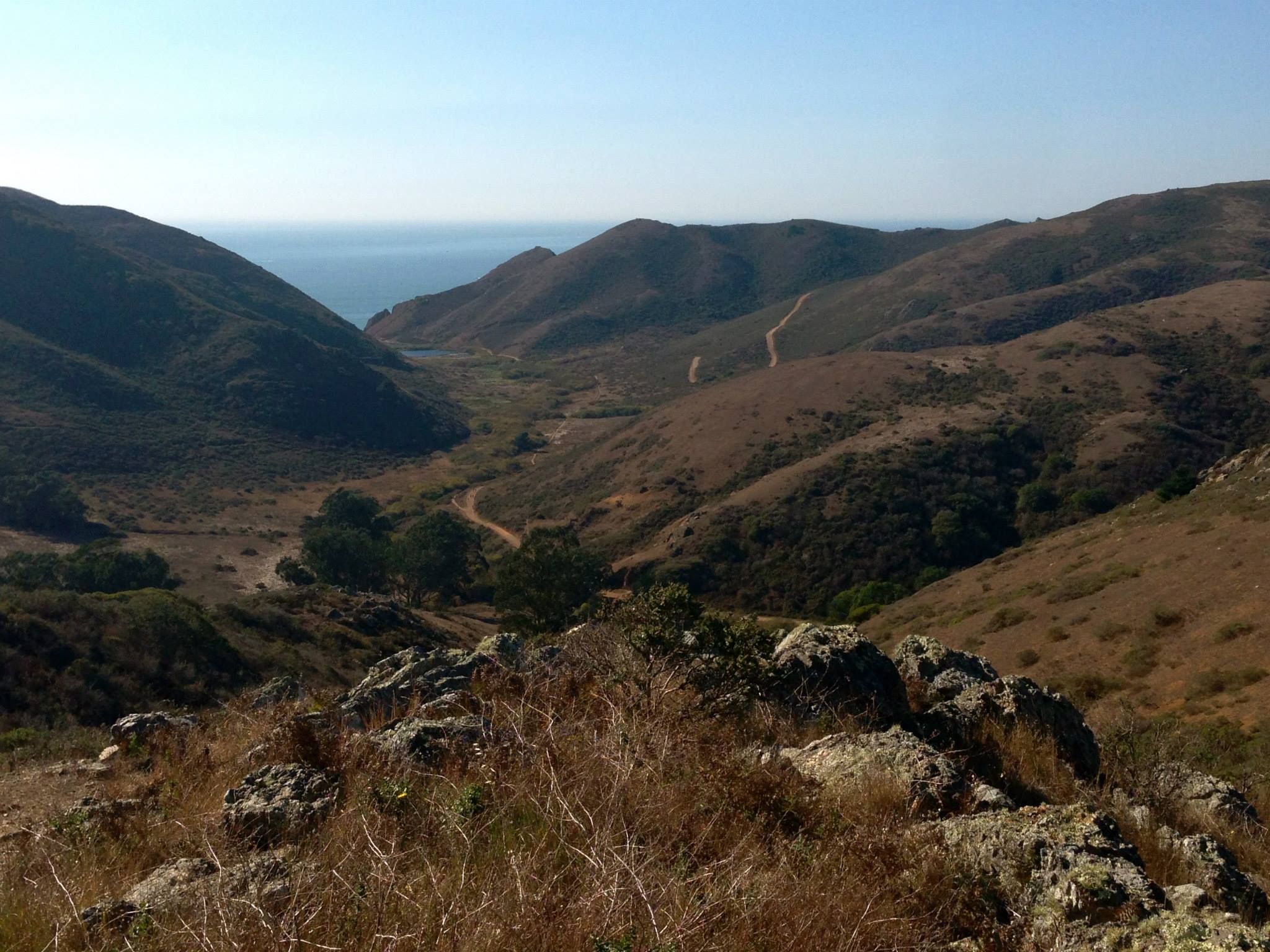
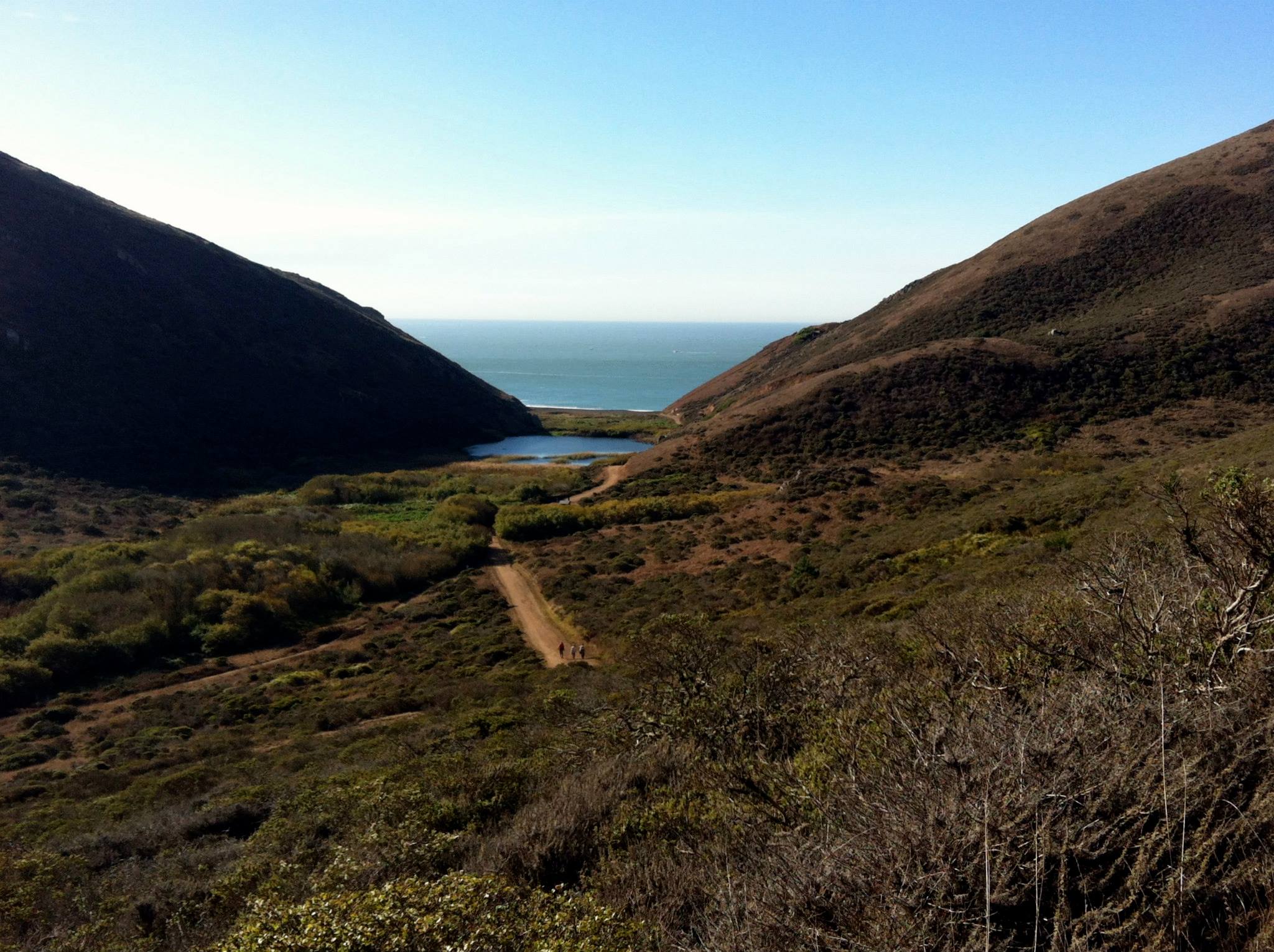
It is absolutely gorgeous at The Marin Headlands, my new favorite place to run. I had so much fun, I will be doing the 50K next year with my friend Kelly. Did I really just say that?
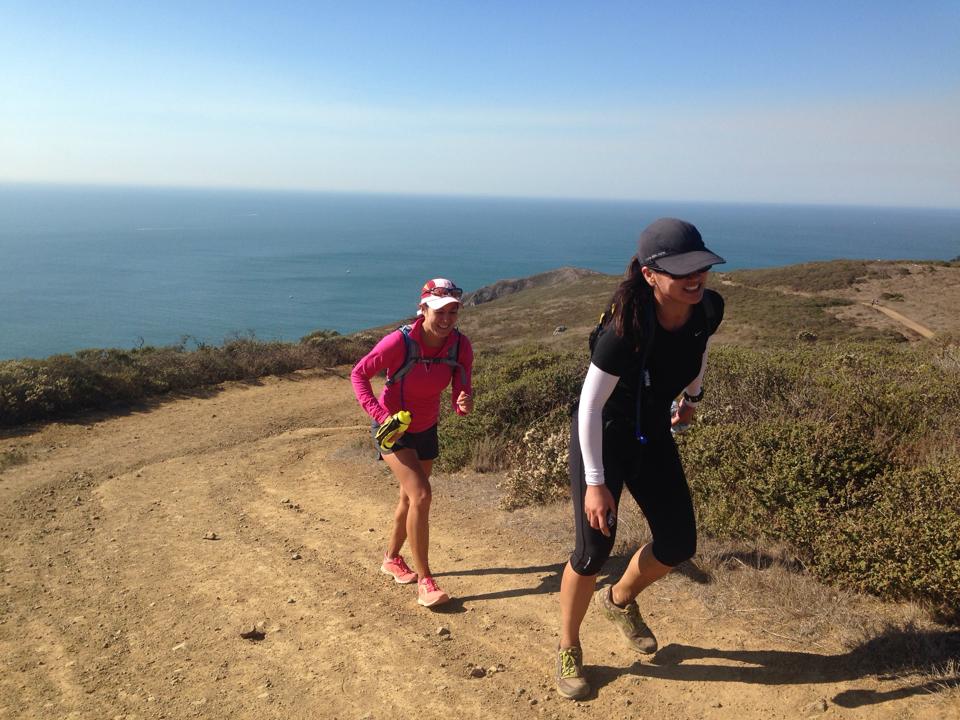
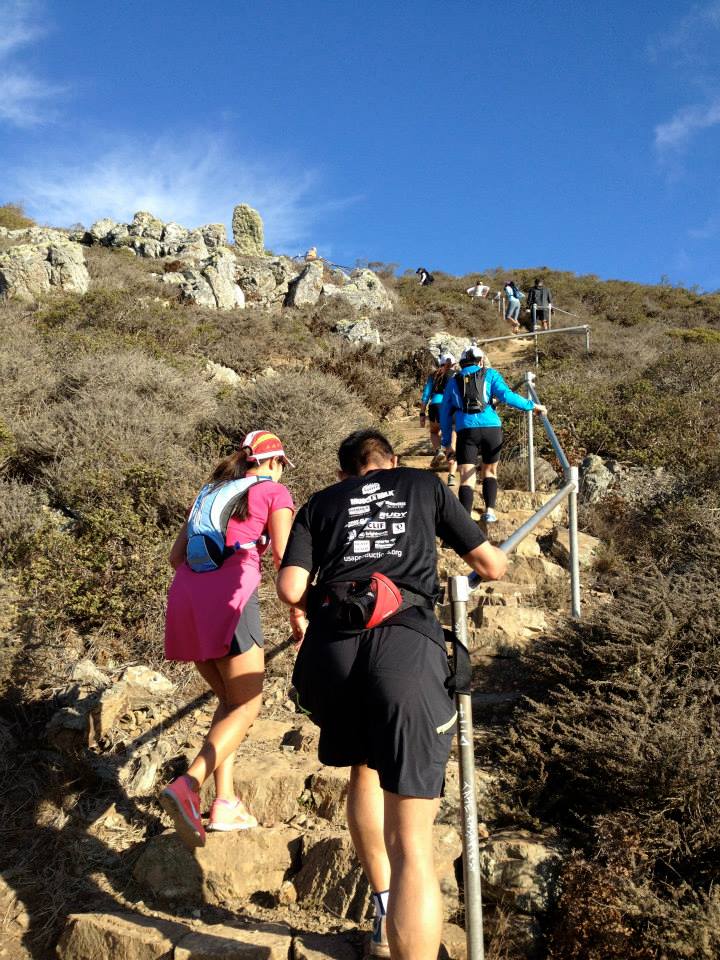
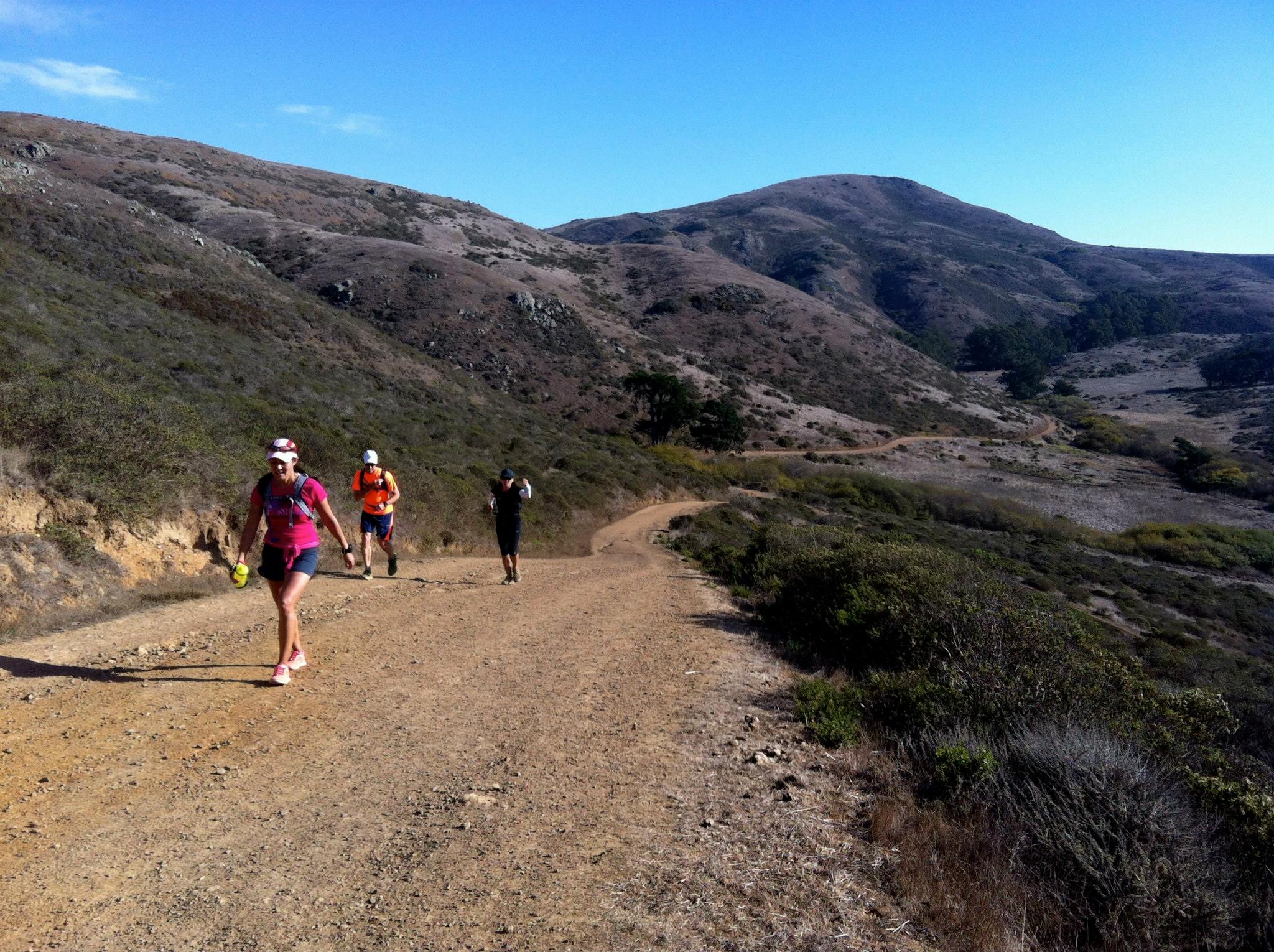
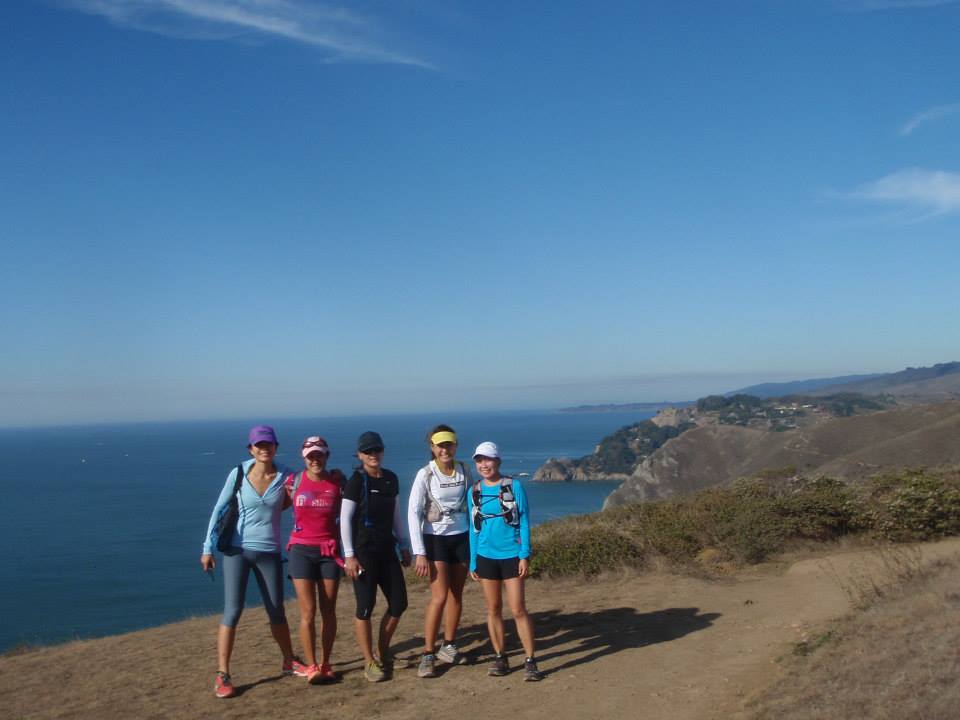
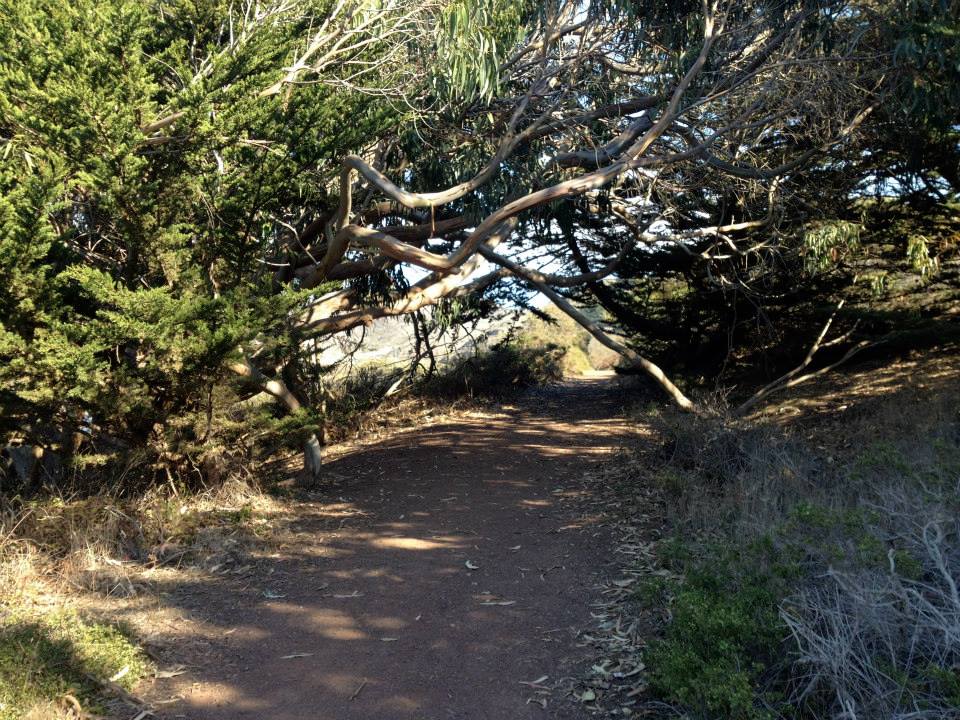
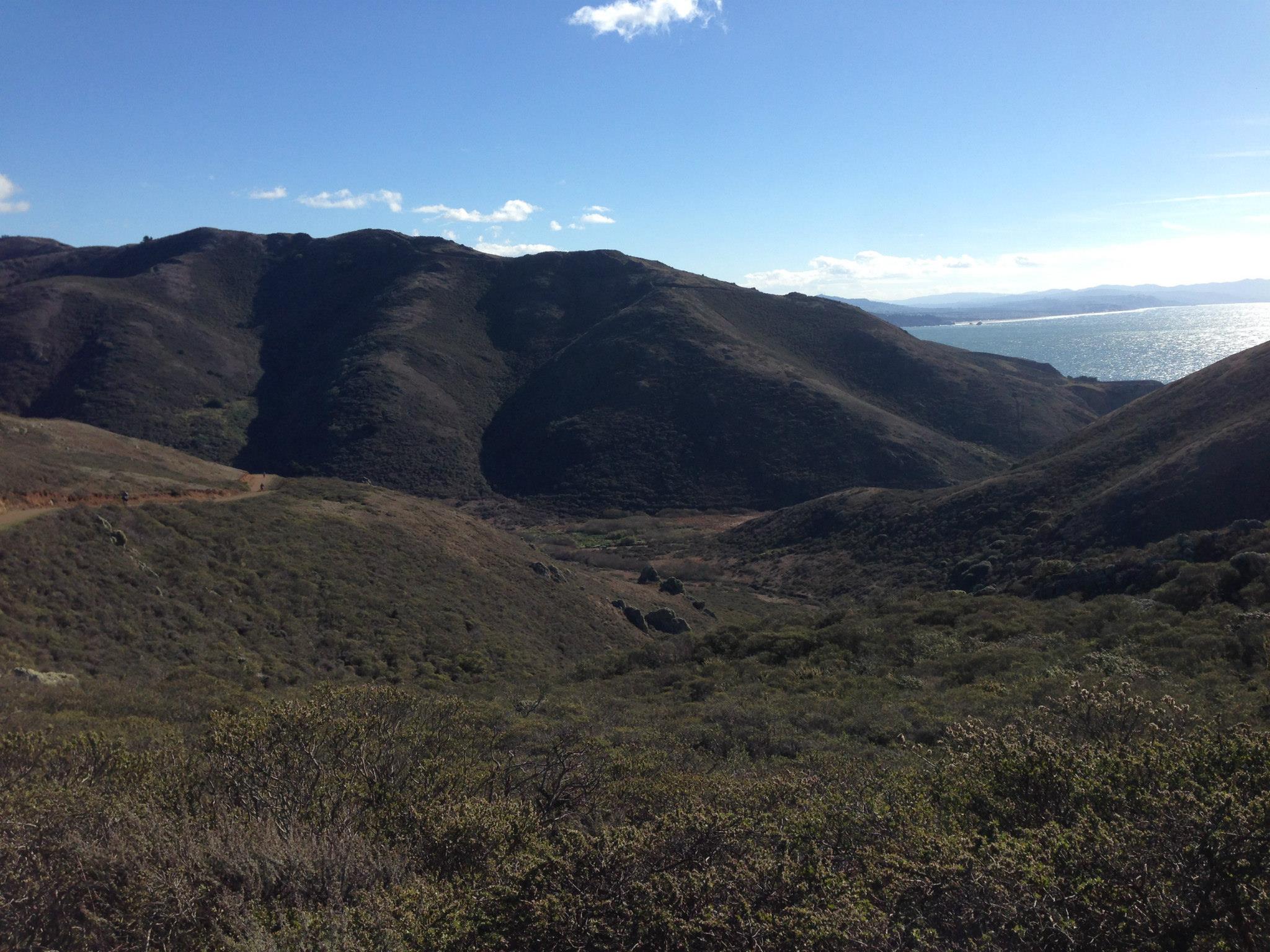
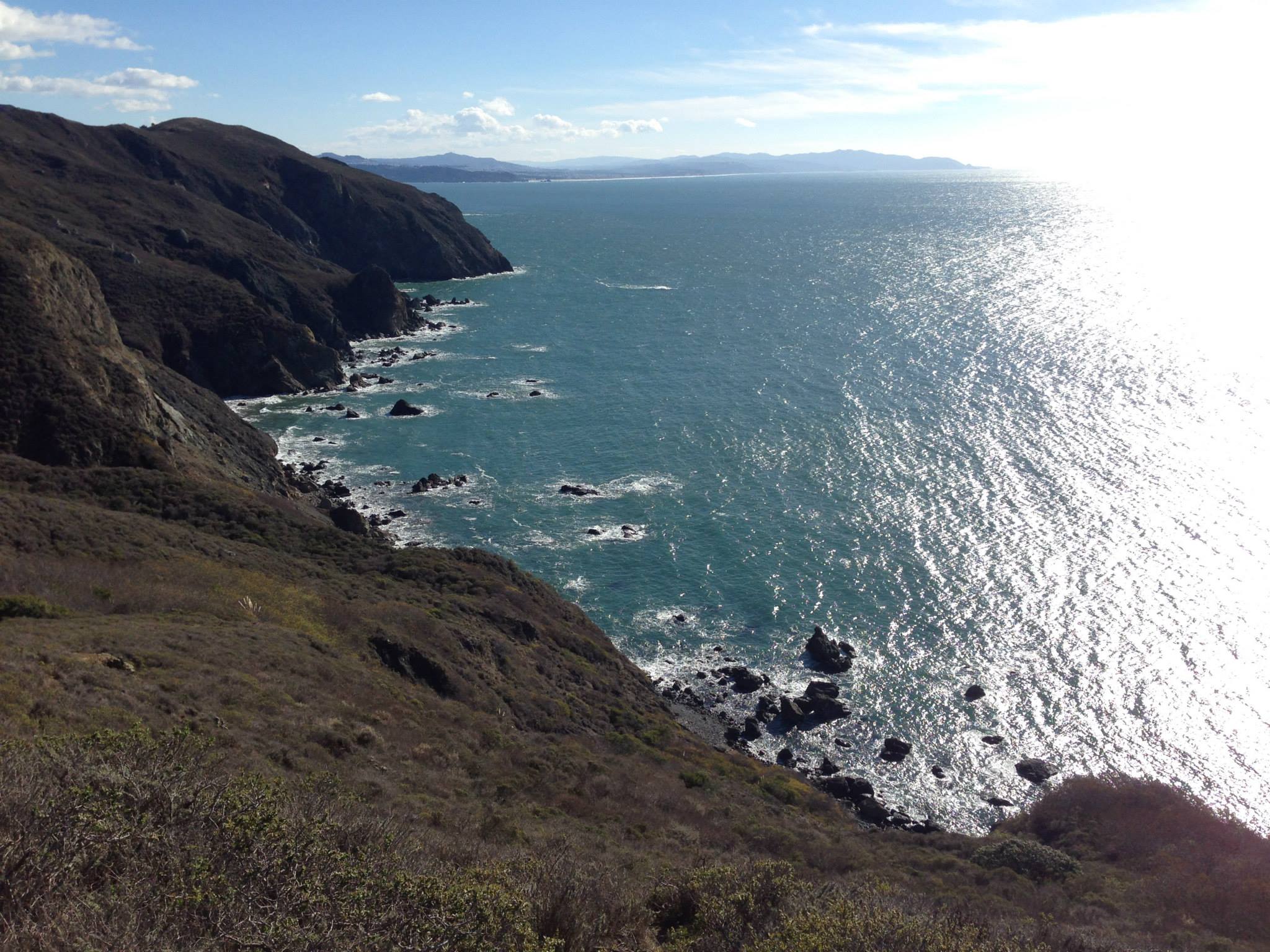
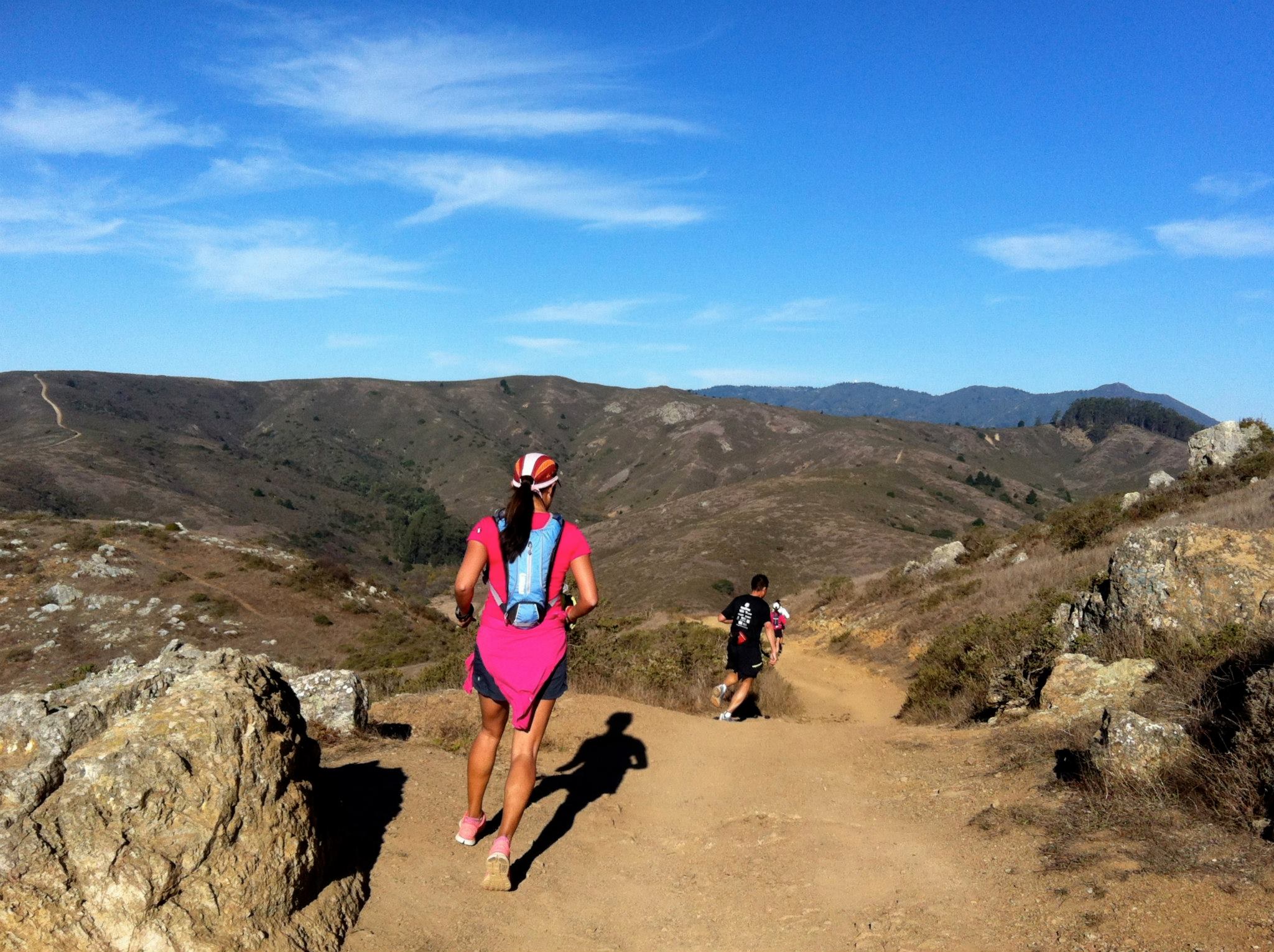
I think my race report could have been summed up entirely with photos, taken on race day and on my training runs a few weeks prior. I can’t wait to get back out there again. Enjoy the photo journey.
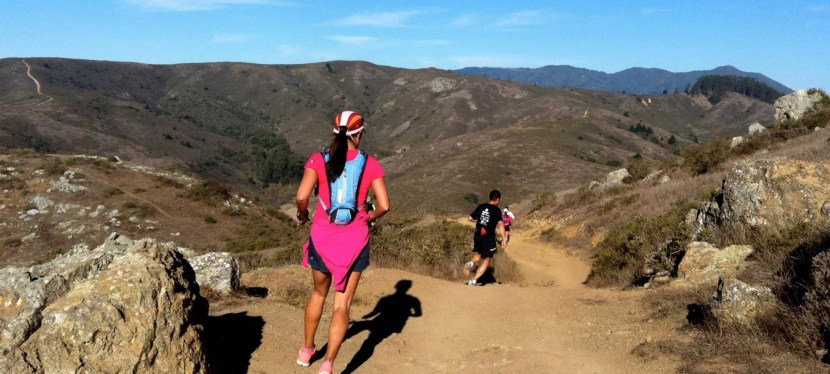
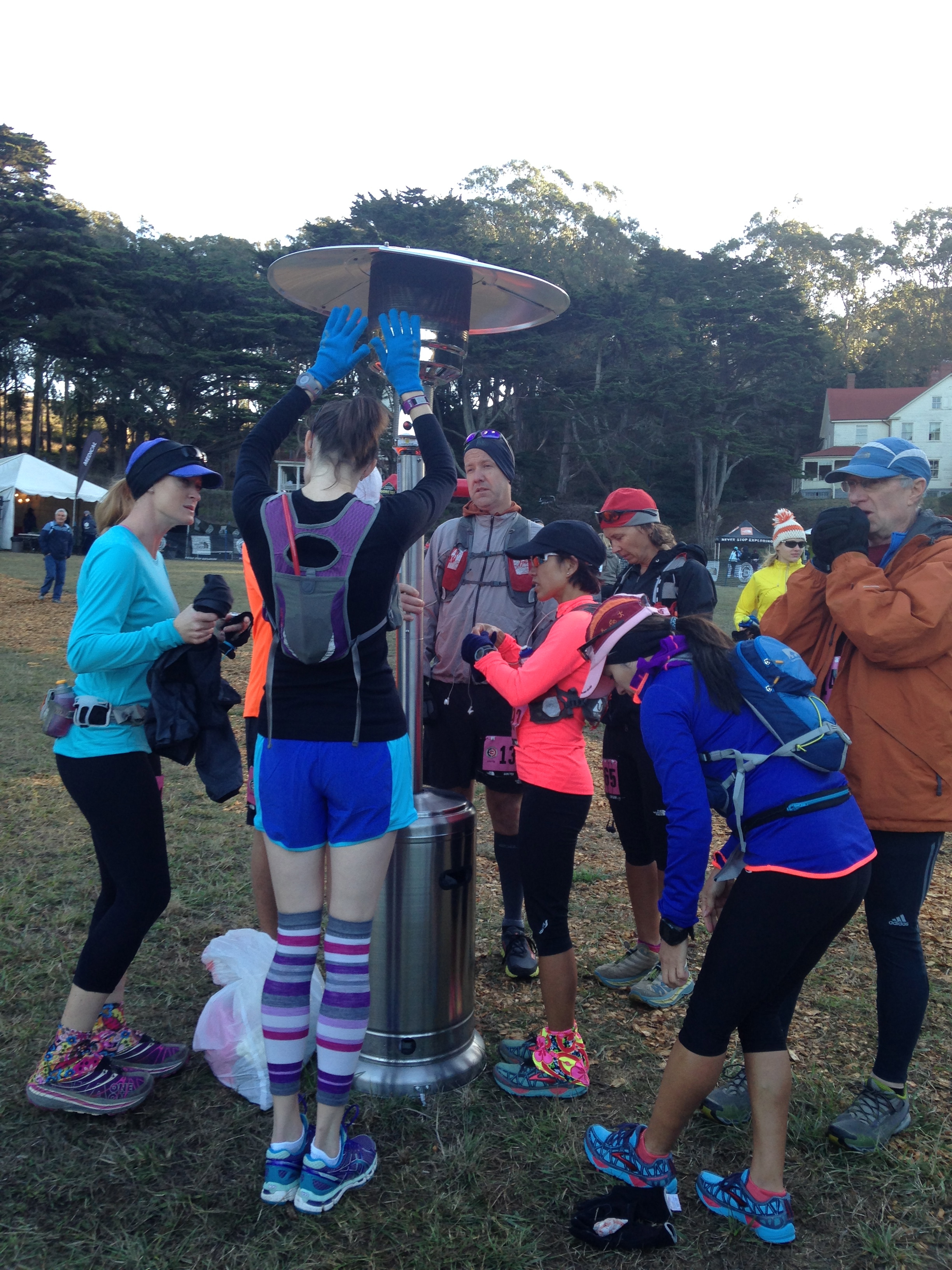
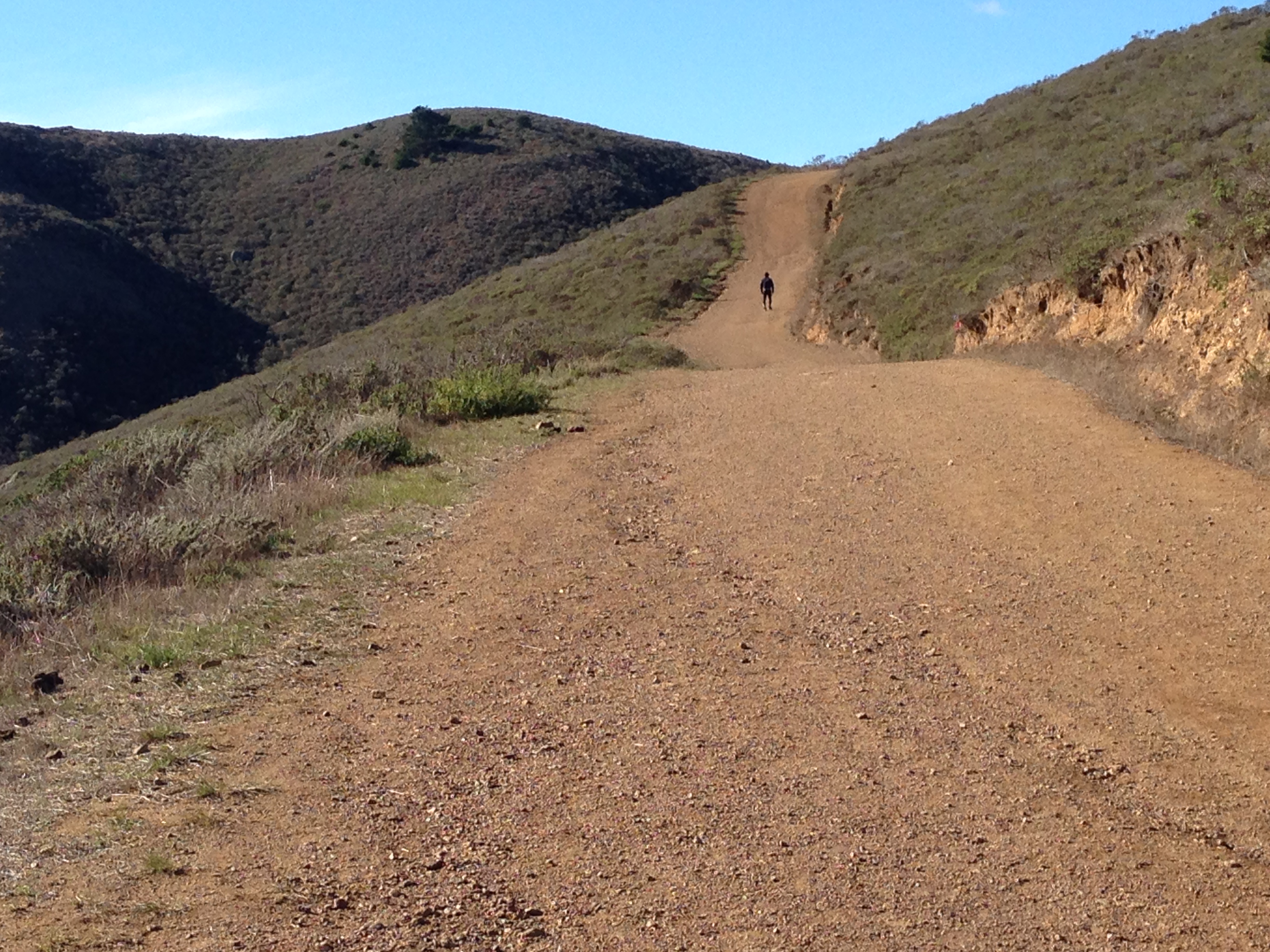
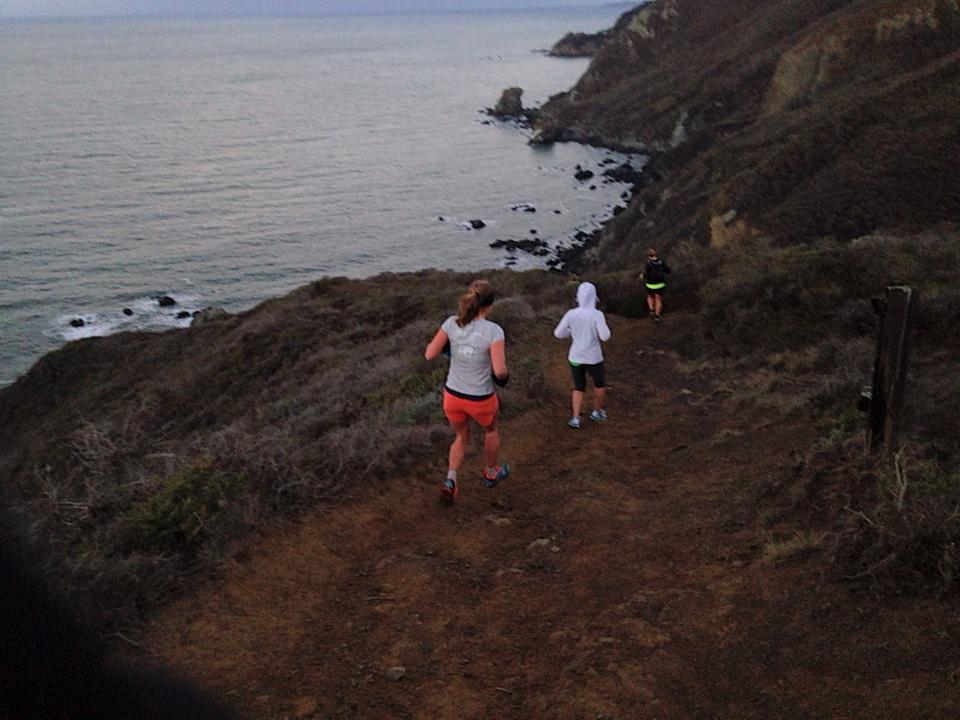
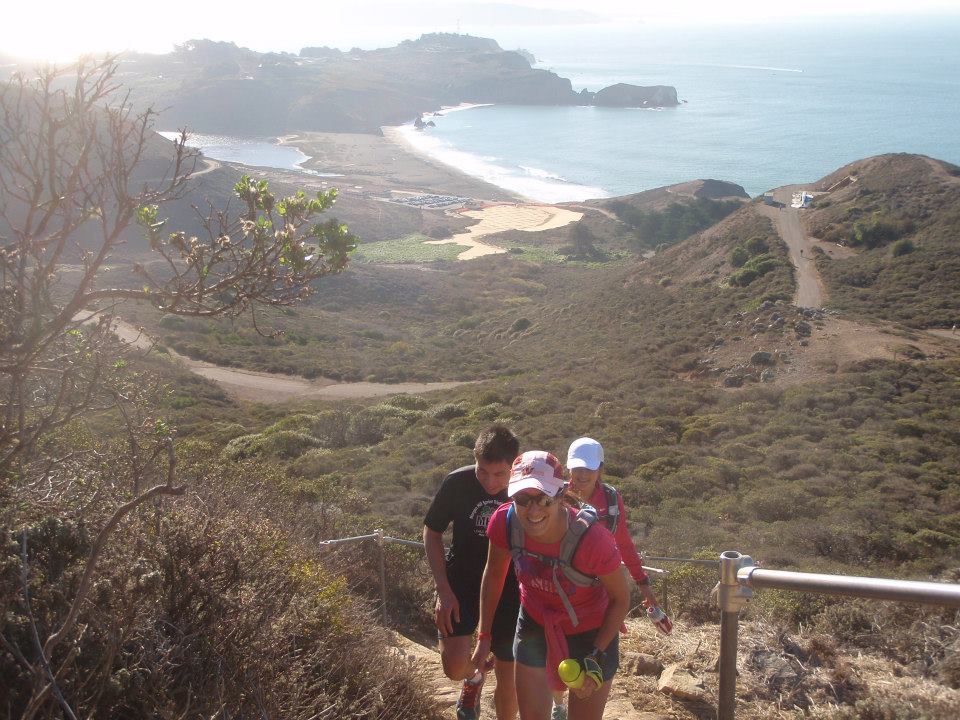
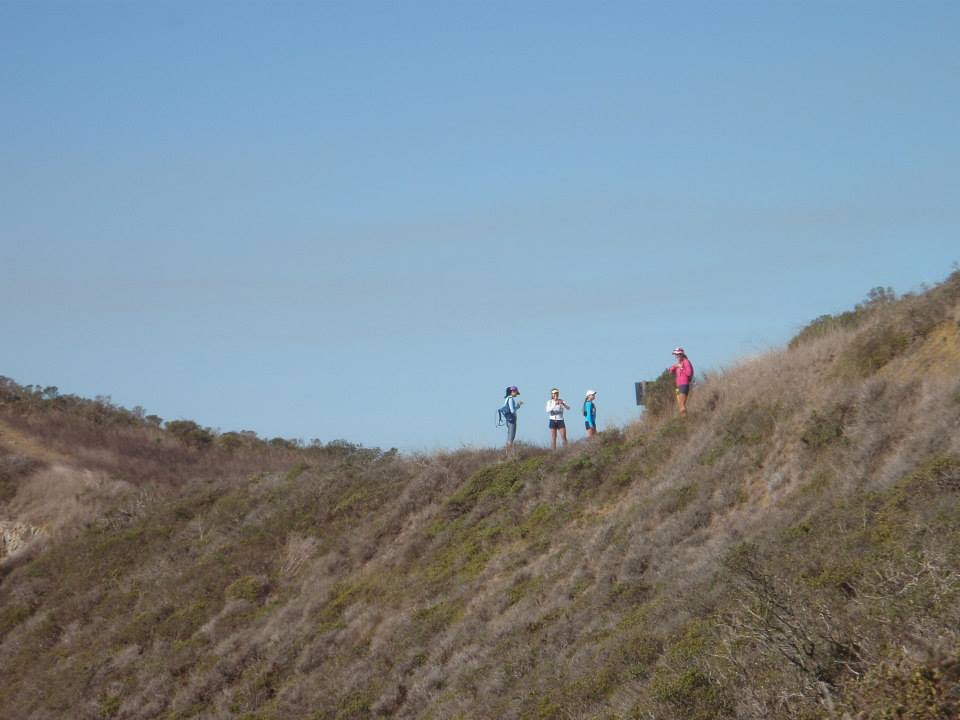
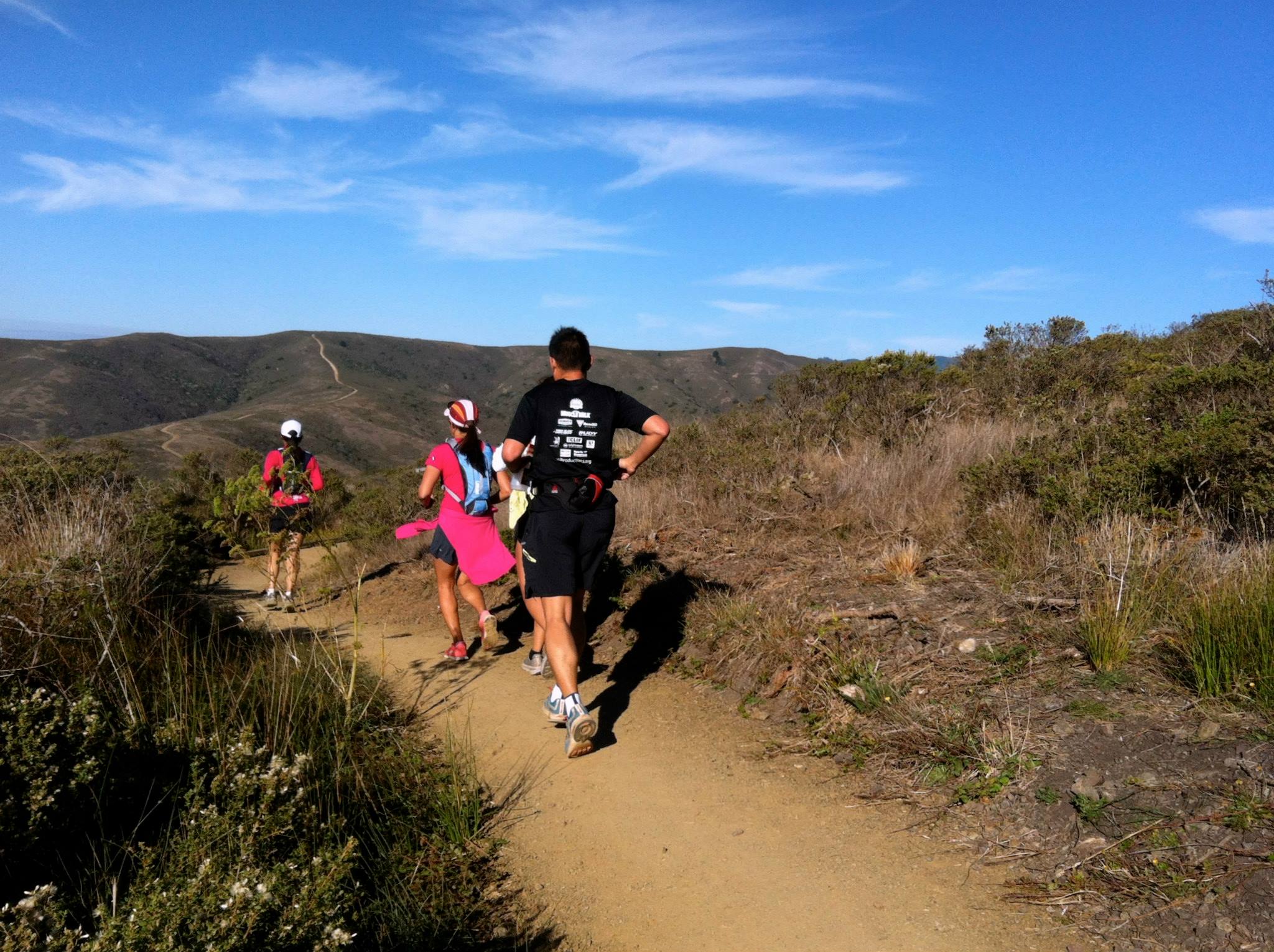
Several heat lamps were provided to help keep athletes warm before the start of the race. I ended up making friends with some of these folks on the course.I ran with a nice man “Sal” from Mexico. He’s ahead of me here in the photo. Running at a low heart rate and hiking up some steep climbs in the wilderness is conducive to making new friends.Some of the descents are steep. I kept my eyes on the trail and only looked up when walking or when the trail was flat and clear. When I did take the time to look up, this is what I saw.Ran into a friend here who was racing the 50K. She had made a wrong turn and ended up running 2 extra miles!
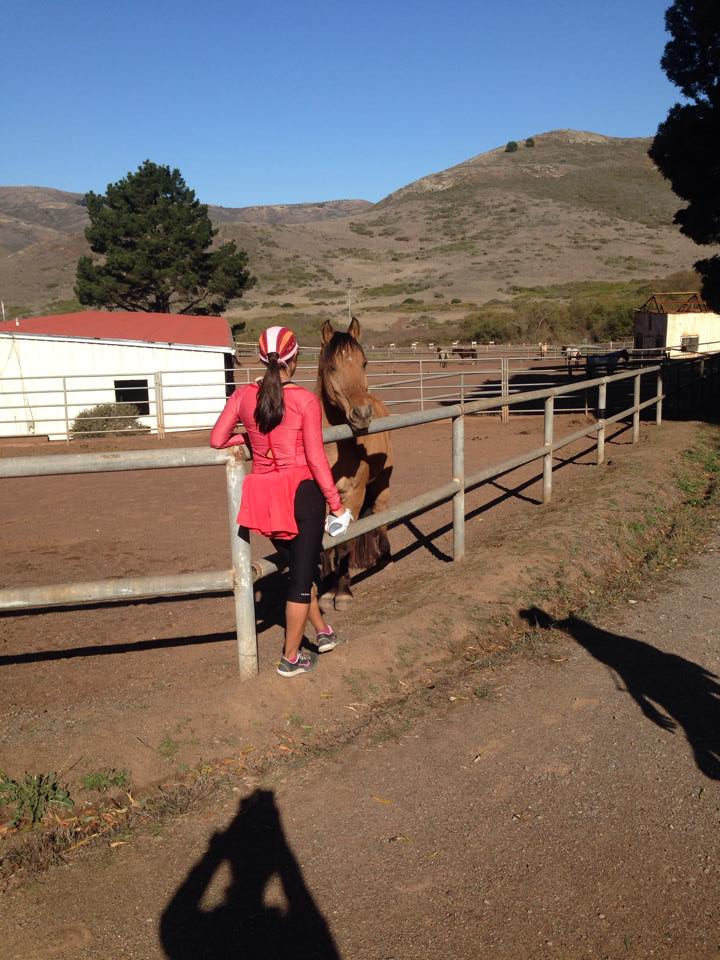
Yeh, that was fun!We had amazing weather every time we went to the Marin Headlands to train.Nature’s stair master. After training on the Dipsea Trail the week prior, these stairs seemed tame.Yes, the quads are burning just a bit and then you have to start running once you get to the top.I’ve gotten so use to just putting my head down and doing all the climbing here in Northern California. When I make it to the top and survey the land below, I still get amazed at how high I’ve climbed.Turns out I have some horse whispering skills. He came up to me as if to offer a ride. I declined. I enjoy running free out there as much as he does.
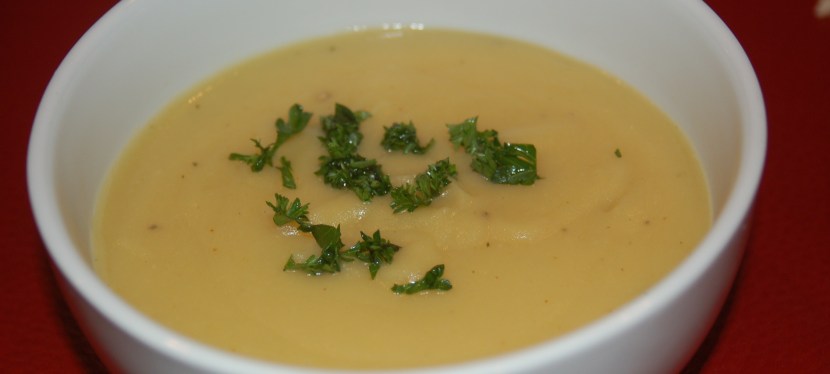
The inspiration for my Potato Leek Soup came from my dear friend Kelly, a 10 time Ironman and 2 time 50 mile endurance runner. This courageous woman is battling leukemia for the second time. While undergoing chemotherapy, Kelly requested potato leek soup made without cream for lunch.
The potato leek soup also served as a nutritious and tasty breakfast prior to a long run or trail race, where I am running anywhere from 3 to over 6 hours. Chicken Rice Soup and Potato Leek Soup are now my two favorite early morning meals to help fuel my long workouts. Both also provide potassium. I usually consume half a bagel or some oatmeal in addition to the soup. Some races offer broth on the course or soup at the end of the race. At the finish of this weekend’s trail race, I grabbed warm soup and chased it down with low-fat chocolate milk. Since I often cannot tolerate solid food immediately after an endurance event, I find that calories in liquid form are the easiest way to get nutrition down. I personally prefer real food over “recovery” drinks. Remember, it’s important to consume calories within 20 minutes of your workout.
Leeks belong to a vegetable family called the Allium vegetables which includes garlic and onions and contain many of the same beneficial compounds. For more information on the nutritional value of leeks, check out this article:
Equipment: Hand held immersion blender or regular blender
Ingredients:
3-4 tablespoons olive oil
3 large leeks or 4 medium leeks, white and pale green parts only, washed and diced
5 medium potatoes, peeled and diced
3 cloves garlic, chopped
1 ½ teaspoons finely chopped thyme
7+ cups chicken broth or vegetable broth
¼ teaspoon chili powder (for Kelly, I reduced or omitted this)
salt and freshly ground black pepper to taste
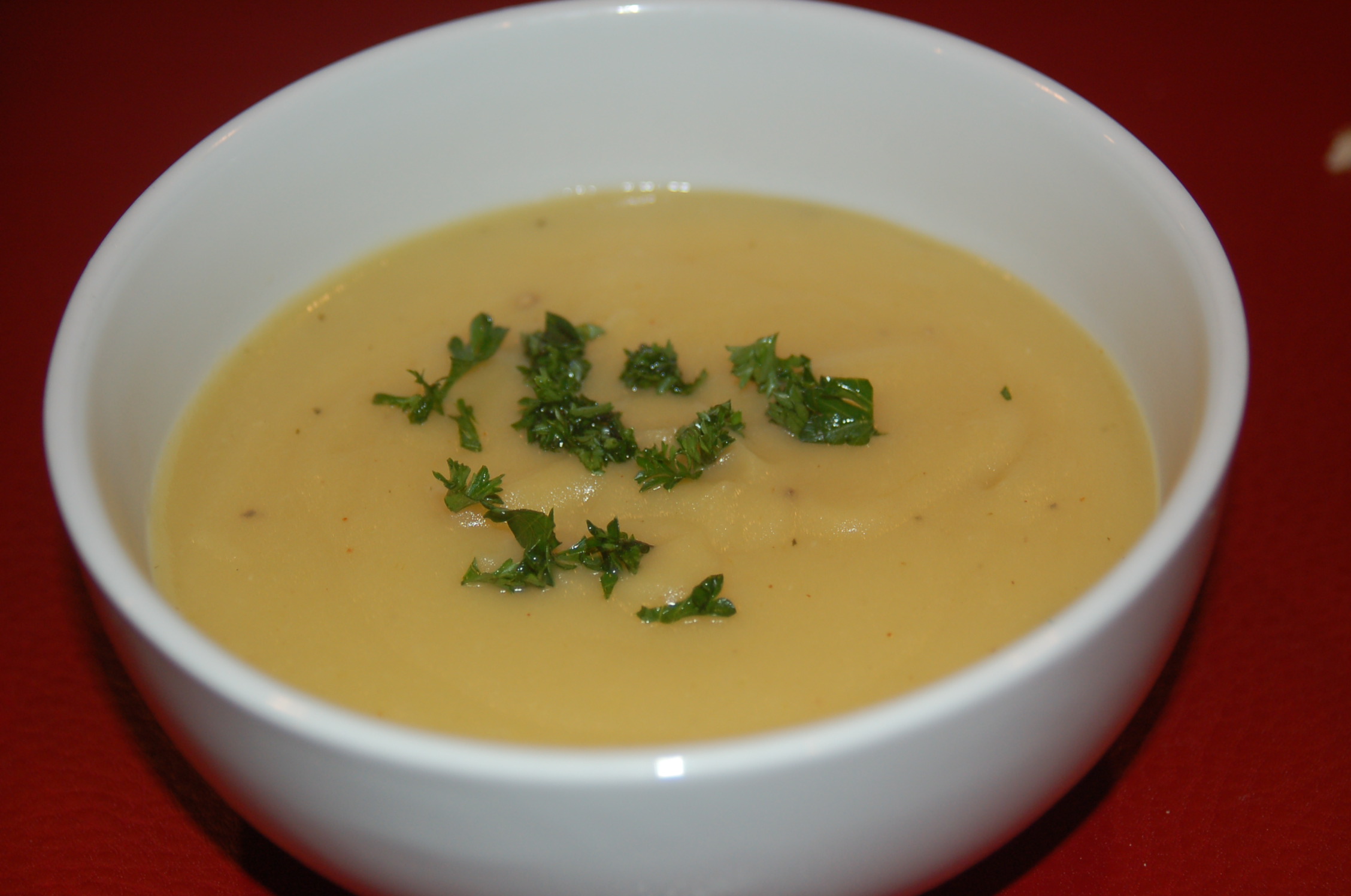
fresh parsley, chopped, to garnish (optional)
Directions:
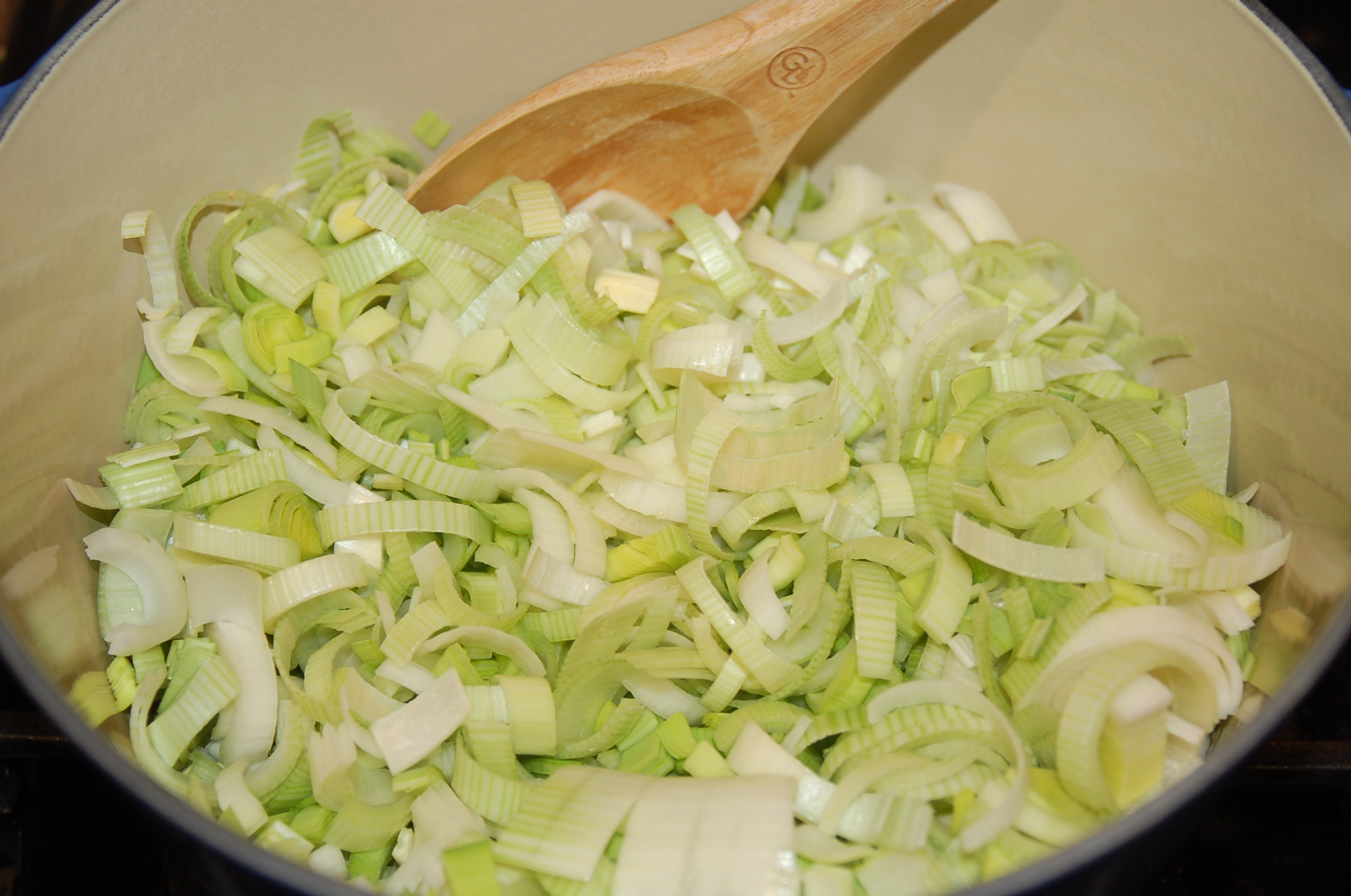
In a Dutch oven or stock pot, sauté the leeks in olive oil for 8 minutes until the leeks are softened but not brown.
Add chopped garlic, thyme, potatoes and broth. Bring to a boil and let simmer for 20 minutes or until the potatoes are tender. If using a hand held immersion blender, puree soup until smooth with no lumps. Be careful. The soup will be very hot. If using a regular blend, allow soup to cool down before pouring into blender. Once in the blender, puree soup in small batches, using a towel to cover the lid in case the hot mixture escapes.
Add additional broth to obtain the desired consistency. I prefer it to be a little creamy and loose enough to drink out of a mug.
Stir in chili powder and salt to taste. It’s important to add a bit at a time and keep tasting. You can always add more but you can’t take it back out. Garnish with chopped fresh parsley or croutons. Add additional broth to soup if it becomes too thick when re-heating.
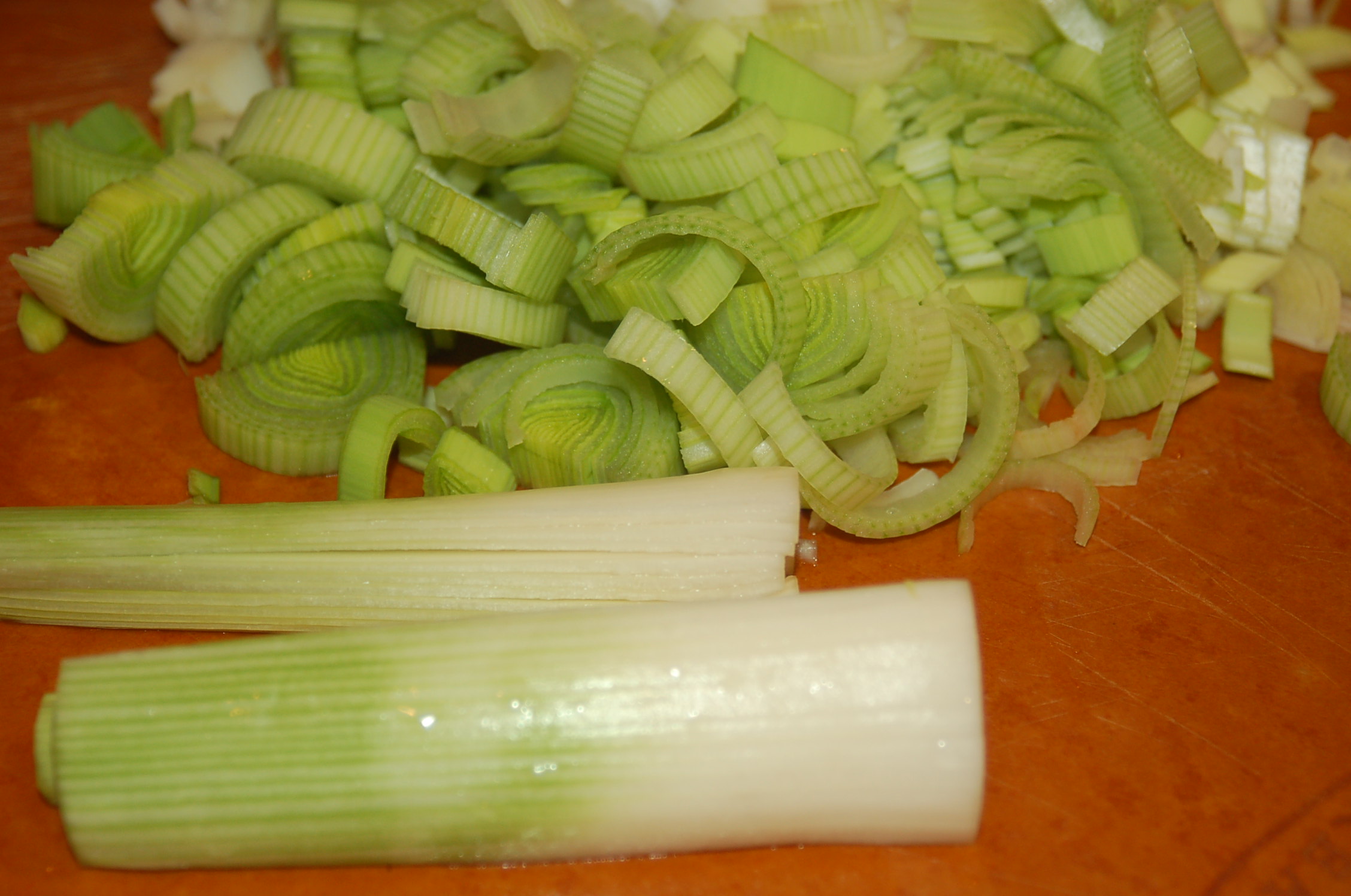
Use the white and pale green parts of the leek. Cut the stalk in half length-wise and rise out the layers. I prefer to remove the outer tougher layer. Then slice.
When re-heating, you can add additional broth to thin out the soup if it gets too thick.
“The only thing that matters in this world is the positive we do to make it a better world: helping others feel okay about where they are at, applauded for their courage, elevated by their accomplishments. That shared support and inclusiveness is … the soul of triathlon. That’s been true for me since that first day I dragged myself around that track, elevated by the cheers of ‘Go Team!’ ”
These are the words from Rick, a dear friend and fellow Ironman following the 2013 Ironman Lake Tahoe event.
PREPARING FOR RACE DAY
I swear, I had no intentions of signing up for the coldest and most difficult Ironman. Having biked and climbed 100 miles in Lake Tahoe in previous years, I was confident I had the physical strength and ability to complete this Ironman. I even checked the historical weather data and water temperatures and determined that I would be able to perform in weather conditions that was typical for that time of year.
I prepared as best as I could for all of it. From May through September, I had traveled to Lake Tahoe as often as I could to swim, bike and run at 6,000 – 7,000 ft altitude and to train for the 2 looped bike course with over 6,500 ft of climbing.
In addition, I made 2 equipment adjustments:
12-32T cassette on my TT bike. Many athletes also changed out their crank to a compact 50/34 with a 11-28T cassette or some other combination that would help them save their legs and spin up all the climbs. Yes a 12-32T can fit on a TT (time trial/triathlon) bike. It just needs a big ugly mountain bike derailleur. UPDATE: I’ve been following this year’s Facebook posts on the Ironman Lake Tahoe page. Seems like many people are opting to change their cassette/crank. I’ve taken a break this year but have been back to ride the course this year in 2014. I spin out on the course in some sections so I am going to try the 11-32T cassette, maybe even experiment with an 11-34T. Stay tuned!
Smaller, better fitting wetsuit. It turns out that the wetsuit I’ve been wearing for the past 1 1/2 years was too big. Water was passing through my wetsuit which cooled my body down too much. I had cramped up in 72F water at Ironman Canada last year. Now I know why. The water temperature at Lake Tahoe was about 61F on race day.
I was grateful to have 2 friends who knew a lot about bikes help to figure out how to change my cassette out: Scott a former Cat2 cyclist and Charlie, who grew up working in a bike shop and had the opportunity to work on Greg LeMond’s bike a while back.
I had traveled to Lake Tahoe a couple weeks before race day. The weather changed dramatically during that time. I had been training on location and while I knew the water temperature would be in the low 60’s I was not prepared for the storm that blew in 24-48 hours before. Myself and several other athletes were scrambling to find, ship overnight or have friends or family bring additional cold weather bike gear and clothing to Lake Tahoe.
Two days prior to race day, the temperature had dropped from about 71F to low 50’s F. A storm had moved in. For the first time I saw white capped waves.
The day before race day, it snowed in some parts of Lake Tahoe and rained at King’s Beach, the location of the swim start. I dropped off a small T1 bag that was double bagged inside water proof bags and decided to bring my clothing, gear and food the next day so it would not freeze over night in the rain.
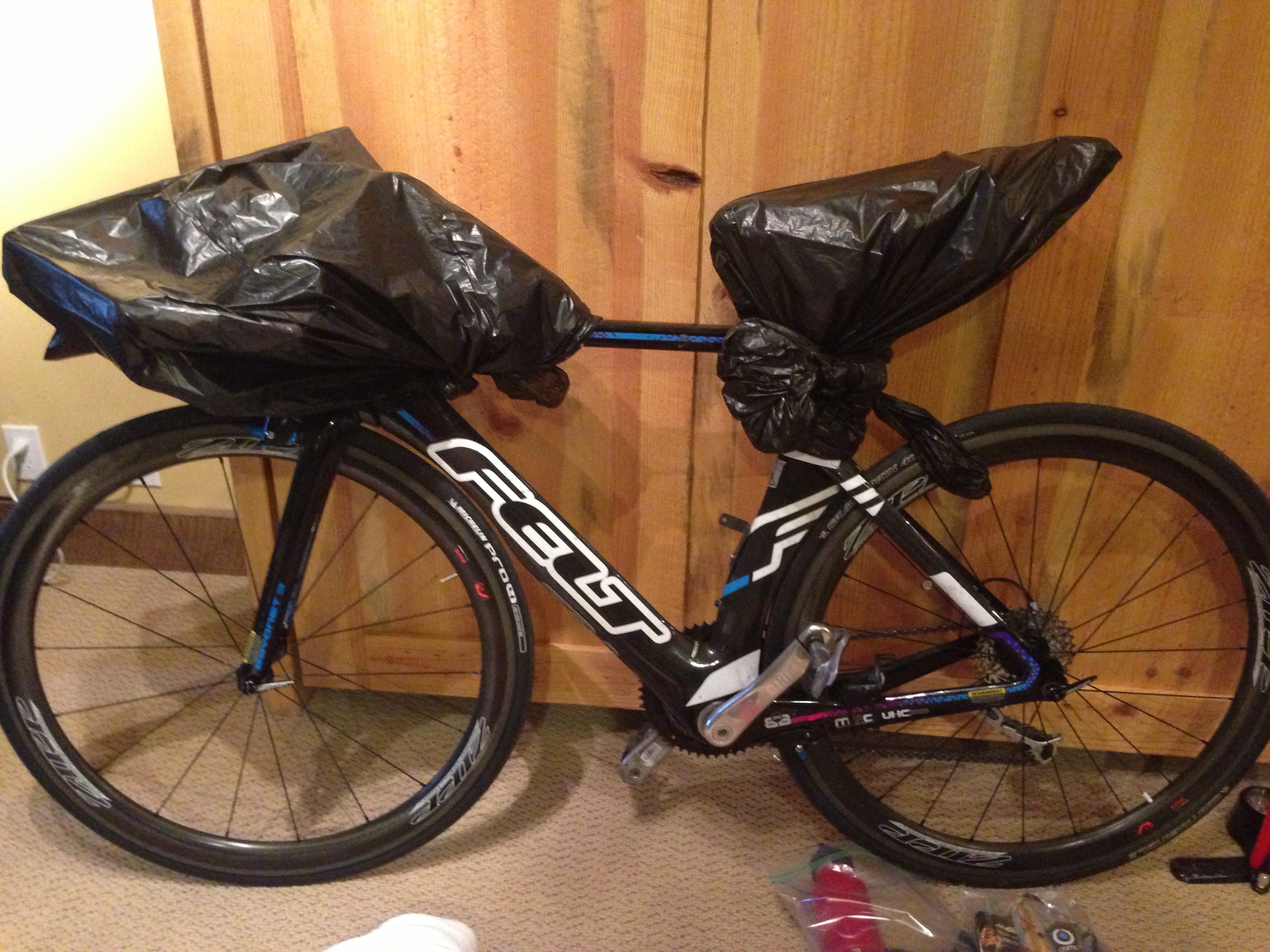
Race rules prohibited athletes from covering up the entire bike so we did the best we could to cover up the bike seat and handle bars. There was ice on the bikes in the morning. Some electronic shifters failed during the race. We were warned to be gentle with our bikes as the chain and other parts might be frozen.It’s too bad no coverage from the freezing rain was provided for all of these expensive bikes. At the minimum, perhaps the WTC would consider putting the transition bags inside a tent in the future. Many bags of clothing and food were frozen on race day.
The ambient temperature was 25F on morning of the inaugural of Ironman Lake Tahoe. Normally Coach Tom goes over my race plan and gives me a pep talk before the race. Instead, we spent the entire conversation preparing for freezing temperatures. We verbally walked through T1, how I planned to stay warm before the swim and how I would warm up after the swim:
Bring all my food in the morning so it will not be frozen
Activate 6 hand & toes warmers in T1 bag in the morning to warm up clothes
Keep core temperature as warm as possible by remaining inside the community center building as long as possible
Wear gloves onto the beach with hand warmers, discarding them before the start of the swim.
Put Vaseline on my cheeks, nose and back of my hands to repel the cold water. (Tip from Dr. Amanda Stevens, professional triathlete I happen to meet on the beach that week.)
Pour warm water inside wetsuit before the start of the swim.
Change into completely dry bike gear after the swim
Take off wetsuit inside tent
Full winter bike gear with layers to be worn including toe warmers including thick bike gloves I borrowed
Drink warm Miso soup from a thermos in T1 to warm up core temperature
Pour warm water from a thermos onto my feet and hands in T1
Make sure I drank Ensure to get some calories in fast. Coach Tom warned me that I won’t feel like drinking or eating when it’s very cold but to make sure that I do
Bike with hand and toe warmers placing 1 inside my sports bra and 1 inside my back bike Jersey pocket.
Pro Amanda “Doc” Stevens recommended putting Vaseline on the back of my hands and my face; and pour warm water down my wetsuit to stay warm for the open water swim.
Swim
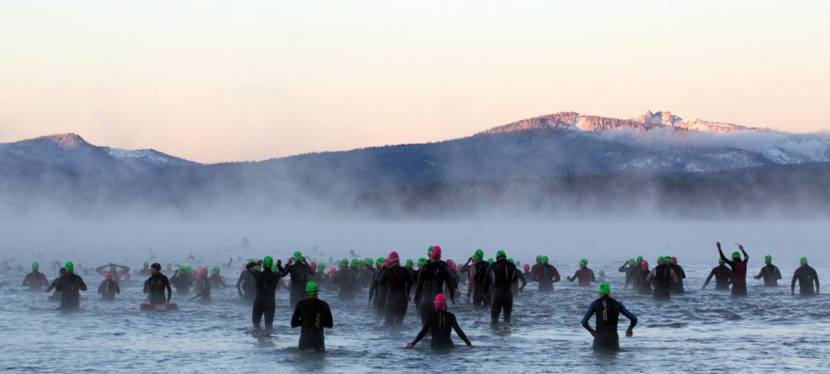
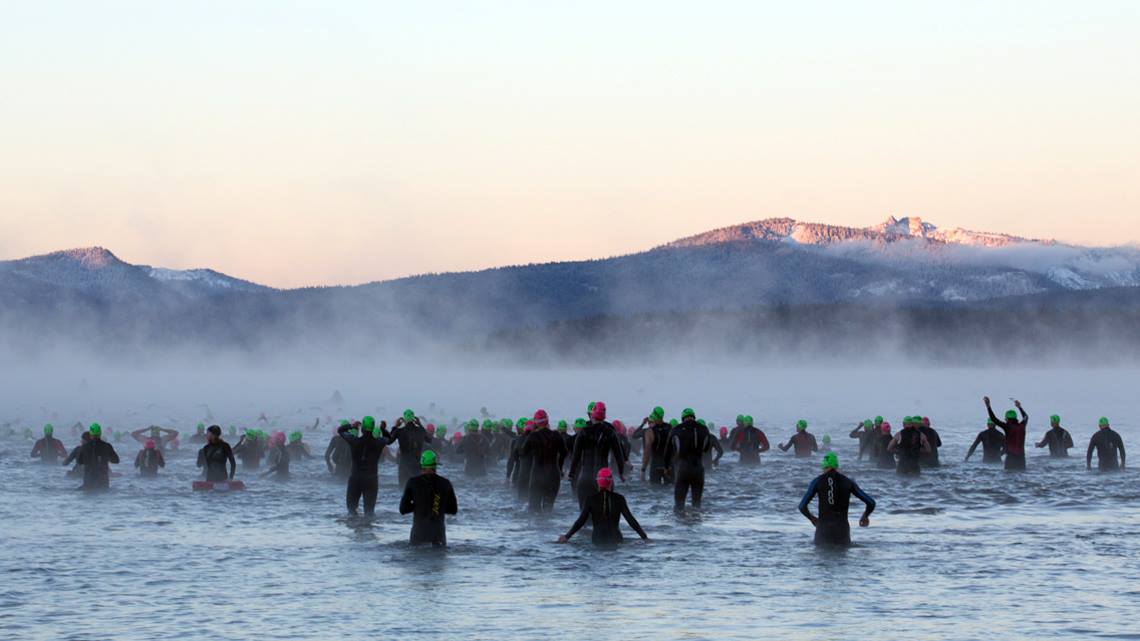
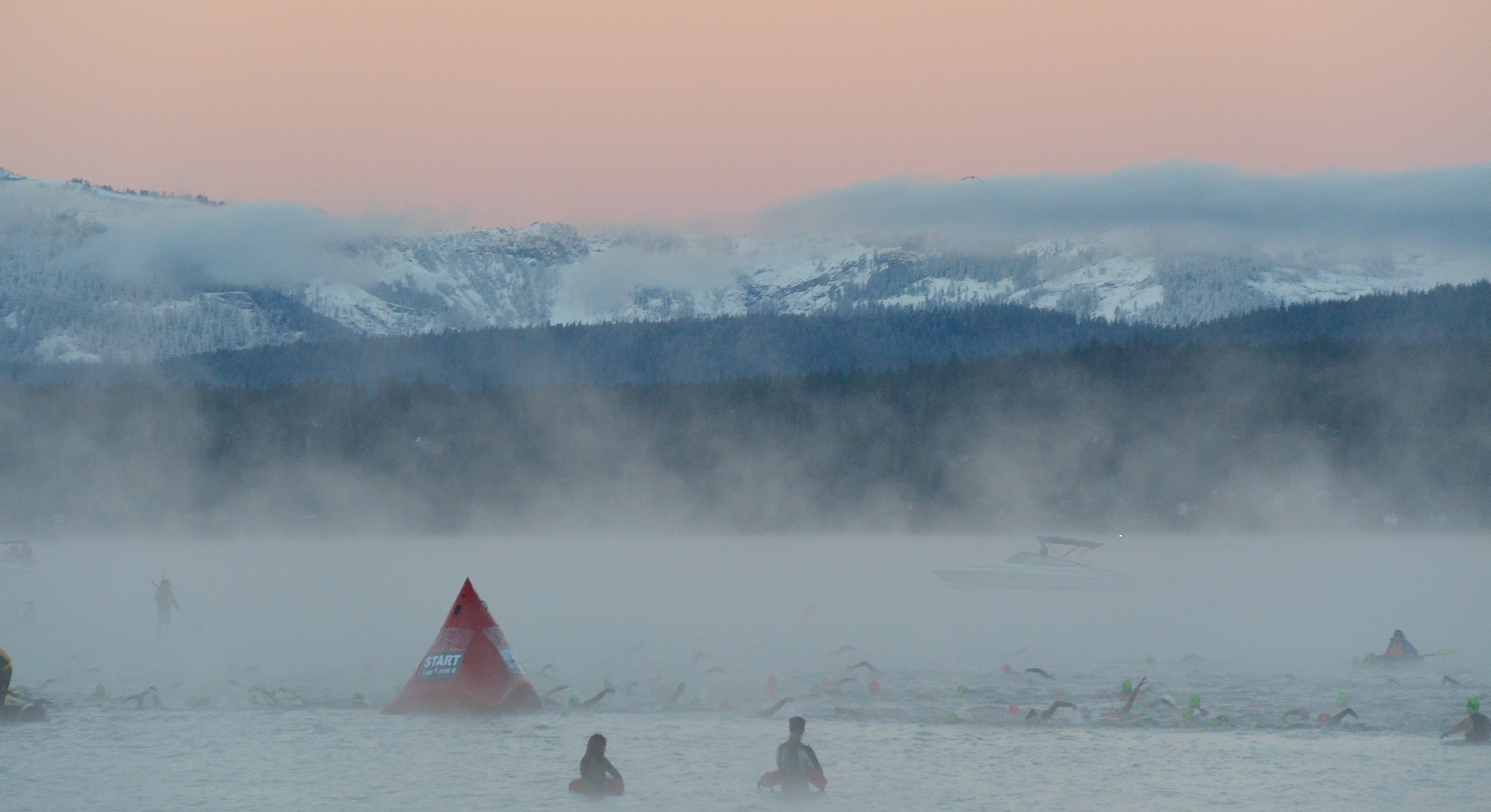
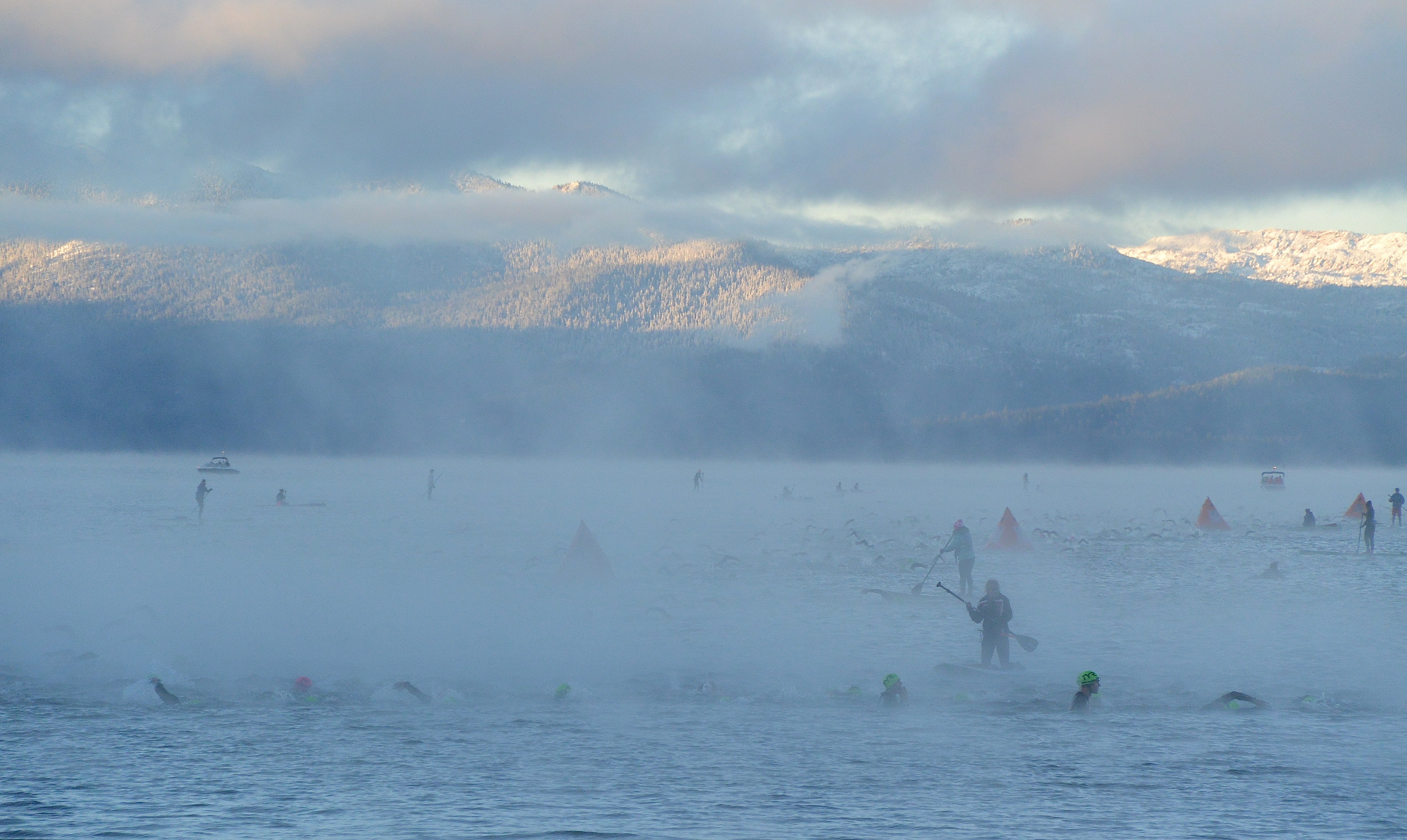
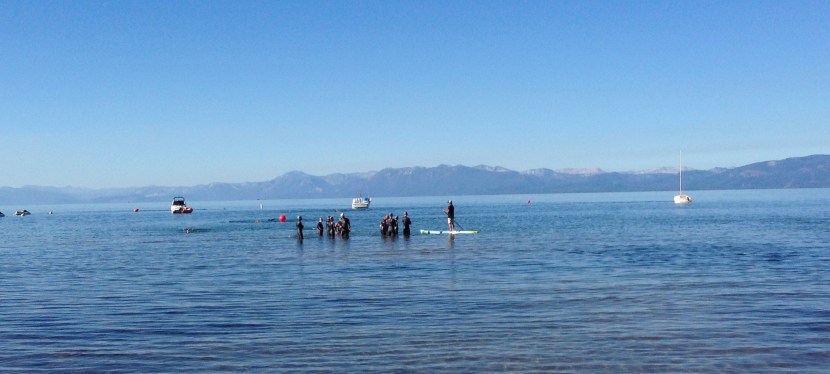
The swim was eerie, mystical and peaceful all at the same time. It was beautiful to watch the sun rise with snow capped mountains in the backdrop. Lake Tahoe is one of the cleanest and clearest bodies of water. Low lying mist above the surface of the water resulted from a 30 degree difference between the water temperature (61F) and air temperature (25-27F). This made it difficult to see the buoys. I had to stop a few times to ask the life guards on paddle boards which direction to swim. I watched three athletes in front of me turn prematurely and head off in the wrong direction. The poor visibility above the water, contrasted with 45-85 feet of visibility below the water. All the practice swims paid off. I was comfortable swimming in cold water and at altitude. I did not cramp up and had a good swim despite stopping a few times to figure out if I was swimming in the right direction. In the future, I will take advantage of starting in an earlier swim wave to gain a few additional minutes of bike time.
The cleanest and clearest water I’ll ever swim in. Getting into the water wasn’t the issue. Getting out was the challenge.Mist over the water made it impossible to see where the next buoy was. A couple buoys had floated away and had to be towed back by a jet ski while the swim was in progress.
T1
T1 had been described as Dante’s Inferno of nakedness. I was surprised that the T1 tent was one-third the size of the T1 tent at the 2012 Ironman Canada. There were not enough chairs or room for all of the athletes. Some athletes had to wait outside because there were too many athletes spending 20-45 minutes in the tent. Once inside, some athletes lost socks or sunglasses as it was kicked or stepped on in a very crowded tent full of competitive, nervous type A personalities. I was lucky to find a chair and had the good fortune of being assisted by a volunteer named Terry, a former professional triathlete. I was shivering uncontrollably. She helped me take my wetsuit off inside the tent. There was no way I was taking my wetsuit off outside. I drank warm Miso soup and poured warm water on my feet. My hands were shaking. The heaters in the heating tent ran out of fuel. I had to rely on Terry to get me dressed as efficiently as possible. She was amazing. She politely asked me 3 times if I wanted to drink my bottle of Ensure. I got the hint after she asked me the 3rd time. She was encouraging me to drink it. She also told me that she wanted me to get on the bike as soon as possible to warm up. I thanked Terry, gave her a kiss and a hug, heeded her words and got out of T1 in 24 minutes.
Bike
The biggest issue wasn’t the actual air temperature but the rate at which the ambient temperature warmed up. Hour by hour, it remained unusually cold and took much longer to reach a high of 57F. My left quad had cramped up in T1. I had trouble clipping into my bike pedal possibly due to ice on the bike. I was dressed in full winter bike gear with tights, 3 layers, borrowed toe covers and borrowed winter bike gloves. I had 6 hand and toe warmers placed inside my shoes, gloves, bike shirt pocket and sports bra. I never felt the warmth of the activated warmers during the entire ride. The first 10 miles was very slow and the most miserable I’ve ever been on a bike. I tried to warm up slowly. Eventually my left quad would loosen up. The bike gloves were so thick, I had to stop the bike and remove my gloves to eat solid food. I remained cold for the entire time I was on the bike. I saw athletes being taken away in ambulances for hypothermia. One athlete rode 40 miles in his wetsuit.
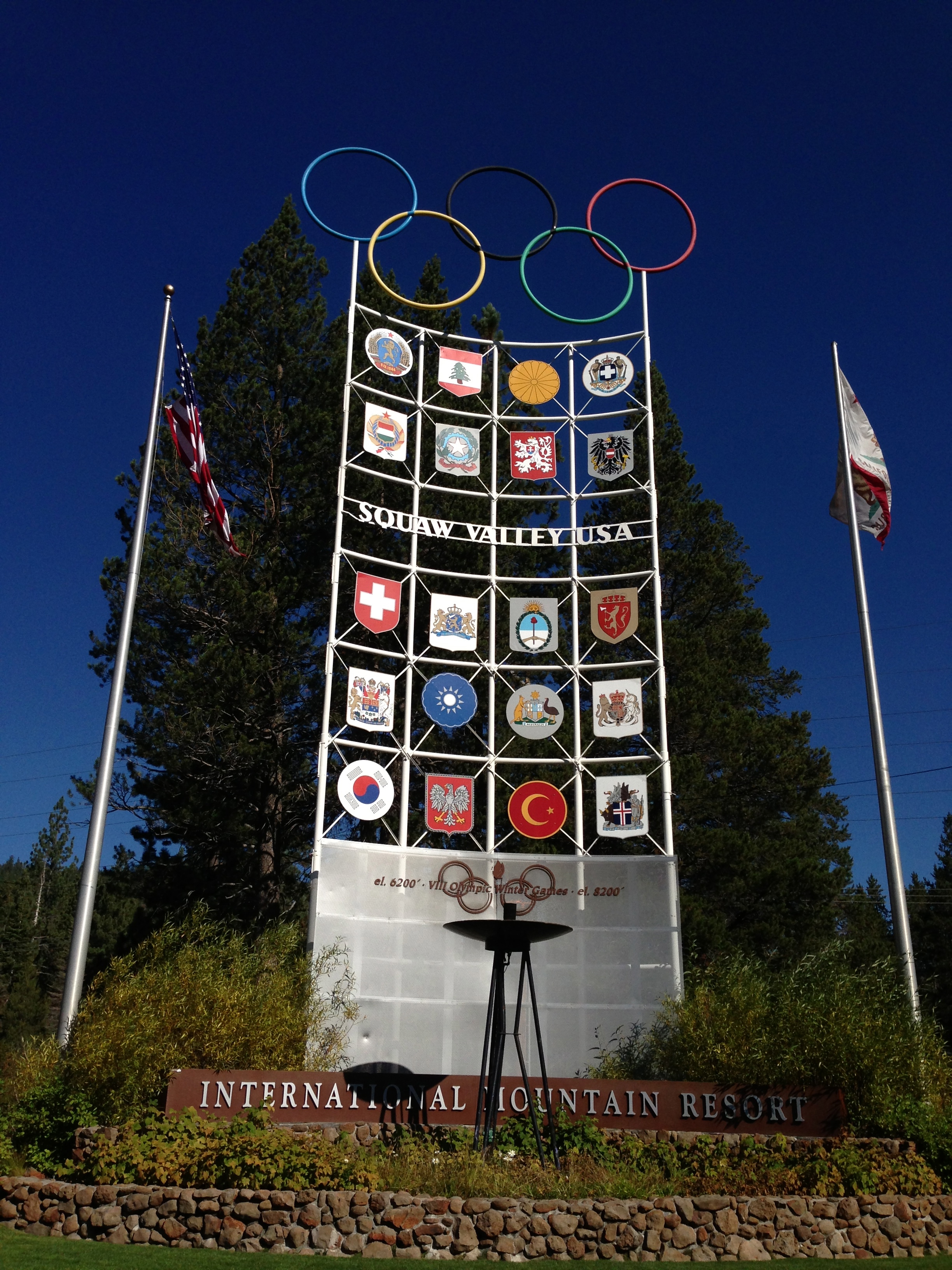
My plan was to warm up slowly then negative split the 2nd loop. I felt strong after the longest climb up Brockway. Once I descended, I started to push harder to make up time on the bike. I felt strong and was pedaling strong as I passed the entrance to Squaw Valley at mile 60. To my surprise, I am asked to stop. At first I thought I was receiving a penalty. It did not occur to me that I missed one of the intermediate bike time cut-offs.
I’m not going to lie. It stung to DNF (did not finish). I was stunned for a few minutes and watched, one by one, all the athletes behind me stopped, some of whom were my friends. It was hard to see the stunned and disappointed look on their faces, let alone deal with my own disappointment.
My good friend and sherpa, Ted, happen to be there, cheering me on when I realized that it was over. I looked for him in the crowd and mouthed the words “I didn’t make it”. He came over and gave me a big hug. I almost cried. I told him and myself that I was ok. I gave it my best effort that day and trained hard for 9 months. I did as much as I could to prepare for the weather.
After gathering my thoughts I asked Ted for the time. It was 2:05. I had been standing there for a few minutes and later learned I missed the cut-off by 2 minutes. There were 700 people who either did not start the race or were behind me on the bike. Too bad. I felt I would have made the 5:30 pm final bike cut-off time. There were athletes who completed the bike course and decided to remove themselves from the race because they were still too cold after 112 miles. Some of these people were experienced Ironman and coaches.
My mind played the “what-if” game and I thought about how I stopped too many times during the swim, to fix my booties, to figure out where I was going; how I stopped to fix the toe covers; how I stopped to take off my jacket and eat some food; how I stopped for special needs or to use the bathroom.
I don’t know how I would have felt if I could have made the overall bike cut-off. Would I be able to run? I like to believe that if I made it to T2 I would have been able to finish the run in time, however there is no way to know for sure what would have happened. Several of my friends DNF’d the run either pulling themselves from the race due to hypothermia and dehydration or didn’t make the final 17 hour cut-off time.
The blow was softened by the fact that I had completed an Ironman Canada the year before. The highlights of the day were the phone calls and a text messages from my dearest friends and family telling me how proud they were of me.
Run
After getting something to eat and a long hot shower, I went to cheer on my friends and others crossing the finish line. The excitement at the finish did help to cheer me up. Although I wished for all of my friends to finish, there was one athlete in particular, named Tanja who raced Ironman Lake Tahoe in honor of her fiancé who lost his life to leukemia. She spread his ashes in Lake Tahoe. I am happy to report that Tanja finished strong.
Overall, it took the Pro’s about an hour longer to finish IMLT compared to other IM’s; 565 people decided not to race that morning and 20% of athletes DNF’d. About half of the women in my age group DNF’d. Weather was definitely a factor. It was epic.
It is quite common for athletes to experience a withdrawal following an Ironman. The withdrawal can be particularly hard if you DNF’d. Everyone deals with it differently. Some take care of unfinished business and sign up for the next earliest Ironman. Some seek retribution the following year. Others decided to take a break from the sport altogether. As for me, I did not have the mental energy to prepare and compete in another Ironman right away. As much as I wanted to attempt IMLT next year, my coach and I agree that maybe it’s best to swallow my ego and pride, and accept that similar cold temperatures are too much of a risk for someone of my build and weight. At the suggestion of a friend, I naively signed up to do the North Face Challenge as my first trail marathon. It’s not an Ironman, but the challenge of learning how to trail race turned out to be the perfect distraction and outlet to redirect all the energy still stored inside my Ironman conditioned body.
I realize how fortunate I am to be able to enjoy doing Ironmans or trail marathons. I will be racing in less than 3 weeks and will be thinking of my friend Kelly who is suppose to race the 50K distance of the North Face Challenge. She is currently in the hospital battling cancer for the 2nd time. No doubt my multiple Ironman and ultra marathon friend will survive it again. I will be thinking about her every step of the way on race day.
The takeaways from this experience are:
Take advantage of a rolling, self-seated swim wave start. You may gain the extra 2 minutes you need to make the bike cut-off.
Prepare as best you can for the unexpected and just roll with it. If it doesn’t work out, know that you did the best you could to prepare and lean on the support of good friends and your family.
Enjoy and appreciate the entire journey. The friendships and memories will last a lifetime. Race day will go by too fast and be a big blur.
Sometimes it is best to swallow your pride and ego and let it go. Sometimes it is not healthy to compete with or compare yourself to others. Sometimes it’s best to just do it for the fun of it.
The only thing that matters in this world is the positive we do to make it a better world: helping others feel okay about where they are at, applauded for their courage, elevated by their accomplishments. That shared support and inclusiveness is … the soul of triathlon. That’s been true for me since that first day I dragged myself around that track, elevated by the cheers of ‘Go Team!’
Yesterday was the anniversary of my first Ironman. It was a day of celebration, inspiration and friendship.
I celebrated by biking 105 miles with over 6,100 ft of climbing. I was suppose to ride the day before however was under the weather. While I felt good enough to tackle a big ride the following day, I was not feeling 100%.
Just before the start of the ride, I heard a familiar voice asking my friends if they were training for Ironman Lake Tahoe. I turned around and it was my friend Jeff Schmidt getting ready to do his 100 mile ride too. A big hug from Jeff perked me right up. Jeff inspired me to sign up for my first Ironman after I watched him do a practice swim before he raced Ironman Canada two years ago. Jeff is preparing to race the Ironman World Championships in Kona as a challenged, amputee athlete. Thanks Jeff for popping into my life again at exactly the right moment to inspire me!
I felt fatigued and had low energy, however made it through 105 miles with the support of two good friends, Ryan and Alex. Ryan had just raced a 2 mile open water swim and finish 3rd on the podium. Alex had already ridden over 100 miles the day before. Both are very athletic. Alex had qualified for and raced the Ironman World Champions in Kona a few times. Needless to say, both guys are stronger riders but they rode with me, encouraged me, and made me laugh all the way. I am very grateful for their friendship and support.
After the ride, I went home to watch 4 friends finish their Ironman, 3 at Ironman Canada Whistler, and 1 at Ironman Louisville, Kentucky. Each of these friends have supported my journey:
Kelly, a cancer survivor, mom, friend and the woman who stood by my side to encourage me before the start of my first triathlon and my first Ironman.
Ron, Team in Training’s Iron Team coach and friend who has also encouraged me along the way giving me a push both physically and mentally.
Leah, the nutritionist consultant who I look forward to learning about endurance sports nutrition.
Rick, one of my training partners and one of the kindest and thoughtful people I know. I wanted very much to travel to Whistler, Canada to watch Rick finish his first Ironman and to cheer on Kelly and Ron. However, while we were running together at track, he says “Pim, I’ve been thinking. You have a long bike ride scheduled on the weekend of my Ironman. I think you should stay at home and focus on your own training.” Thank you Rick for being so thoughtful and looking at my training schedule!
A big congratulations to all of you! I cheered for and watched all of you cross the finish line from afar.
While watching the live video steam of all my friends crossing the finish line last night, I chatted with a friend who told me that “in thinking about which one I might do someday, one of the deciding factors will be the people I’m doing it with … in seeing all the folks train, encourage and enjoy the experience together makes it even more special for all you guys. It’s all about the journey getting there!” I cannot agree more.
My advice to Rick and others competing in their first Ironman is to enjoy the journey, every step of the way. On race day, try to look up from your bike, take in all the scenery and smile back at all the people cheering for you. It will be a long day, but the last few yards, as you run down the chute, will go by too quickly. Take a mental snapshot so you can remember that you had one of the best times of your life.
And I thought I was signing up for the pretty scenery and clean lake? Shoot me now. Even Mark Allen, triathlon God, agreed. Mark posted a comment on my Facebook wall about racing at Ironman Lake Tahoe. He wrote, among other things, “DO NOT UNDERESTIMATE THE IMPACT OF ALTITUDE ON YOUR RACE!” Why is this? Here’s a great website with information about the physiological effects of altitude: http://www.altitudemedicine.org/index.php/altitude-medicine/athletes-and-altitude
“Because of less oxygen available to the working muscles, exercise performance is decreased at high altitude. For example, it is impossible to run a mile at high altitude as fast as at low altitude. And this applies to any aerobic event, which is any muscle activity lasting more than two minutes. In addition one cannot expect to perform with the same intensity as at low altitude, and one’s pace has to be adjusted accordingly. This means running, cycling or walking a bit slower at high altitude, and taking more breaks and rest stops, to avoid exhaustion. For those who keep track of VO2 max, an overall measure of physical performance: VO2 max drops 3% per thousand feet of altitude gain, starting at around 5000 ft.”
“The body’s ability to utilize oxygen diminishes with increasing altitude. Even after acclimatization, this only improves a little bit and a person can never perform as well at altitude as they can at sea level. With increasing altitude, you need to take more air into your lungs, contributing to the breathless feeling that many athletes experience when first coming to altitude, and especially if trying to perform at the same intensity as at sea level. One of the processes in acclimatization important for athletes is the production of a hormone called EPO or erythropoietin. This hormone acts on the bone marrow to produce more red blood cells. These cells carry oxygen from the lungs to the tissues. Increasing these cells effectively increases the ‘oxygen carrying capacity’ in your blood. However, this process takes weeks. EPO is a big topic among competitive endurance athletes.”
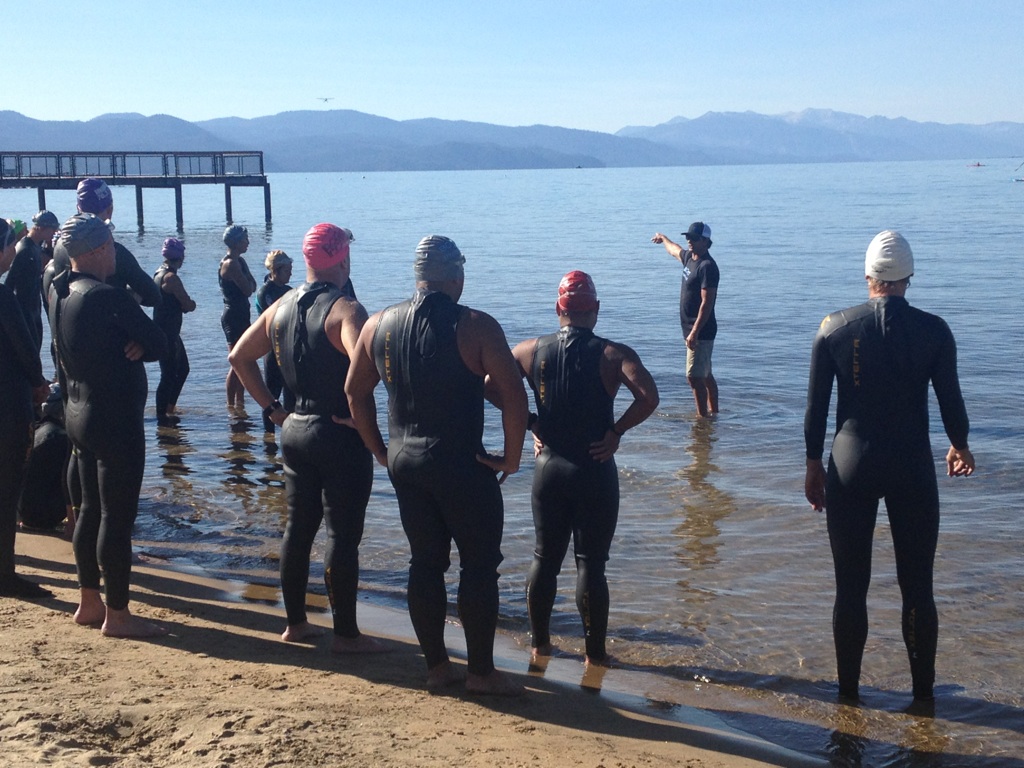
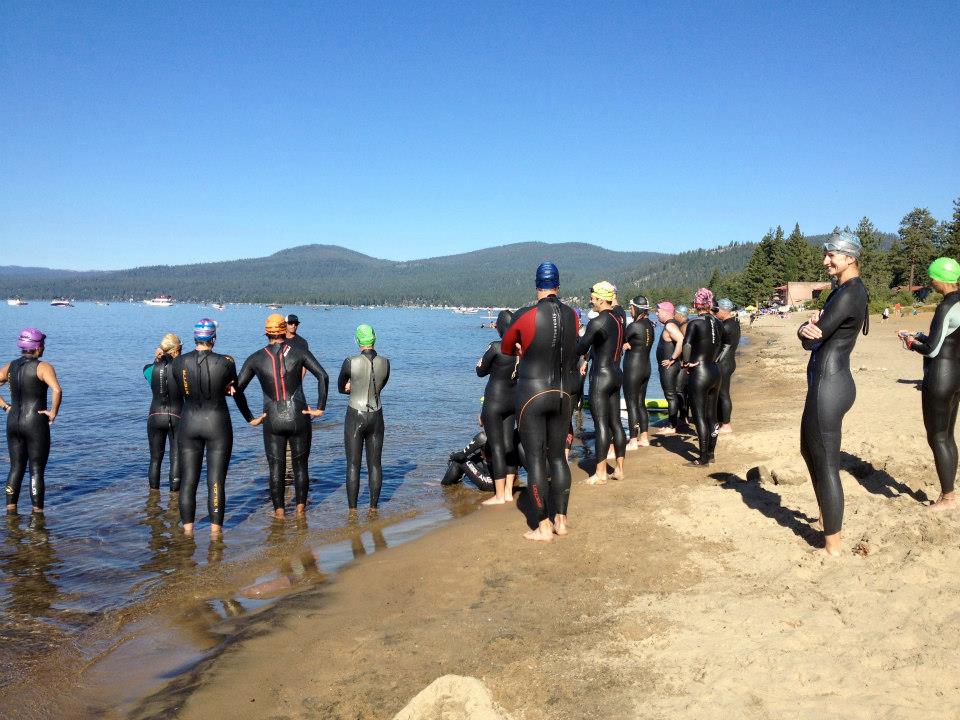
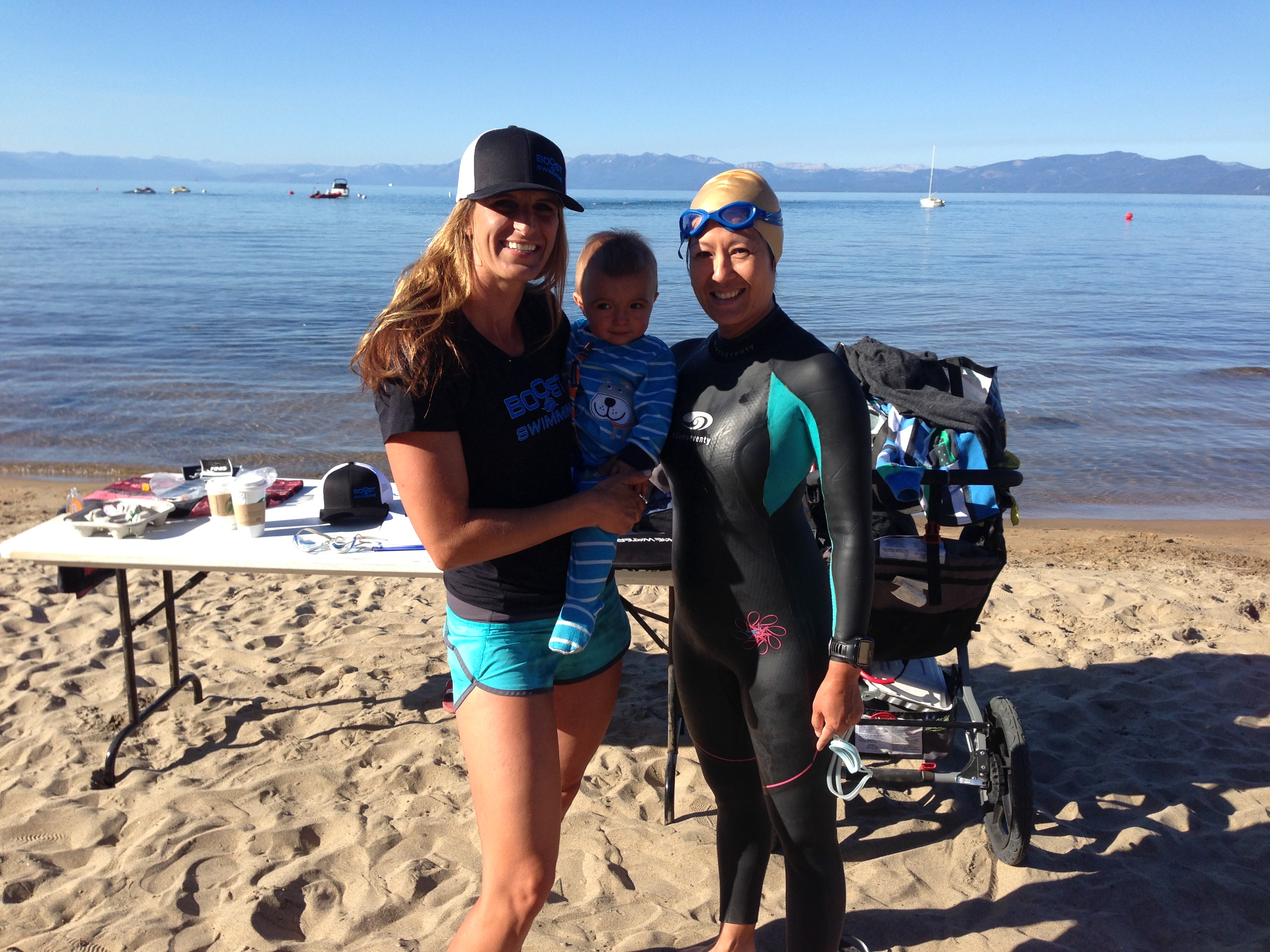
So where do I begin to train for this race? For me the logical answer was to go to Lake Tahoe to learn how my body responds to altitude and to learn how to race in altitude. In particular, Mark Allen stated that “one of the things that will not be so easy is the swim”. Lucky for me, I had an opportunity to learn from one of the best open water swim coaches, Jeff Pearson, a professional swimming coach with 20 years experience, which includes, the USA National Team. As a swimmer, Jeff was also a member of the USA Swimming National Team and won the USA Swimming National Championship in the 10K open water. Jeff still holds the United States Masters Swimming 2 mile cable swim National record. Jeff, his wife Kristy and son Ian moved to Truckee last October after coaching USAS teams for 20 years in the Sacramento area. Jeff and his wife have always loved the mountains and wanted their son to grow up in Lake Tahoe. Jeff’s move was perfect timing to host open water swim clinics to help Ironman Lake Tahoe athletes prepare. His clinics were attended by professional triathletes, Team Every Man Jack and every day athletes like me. At my request, Jeff recently hosted a special clinic just for my club, the Silicon Valley Triathlon Club and Team in Training. This clinic proved to be invaluable. We learned:
How to handle a mass swim start, and the new self seated wave start
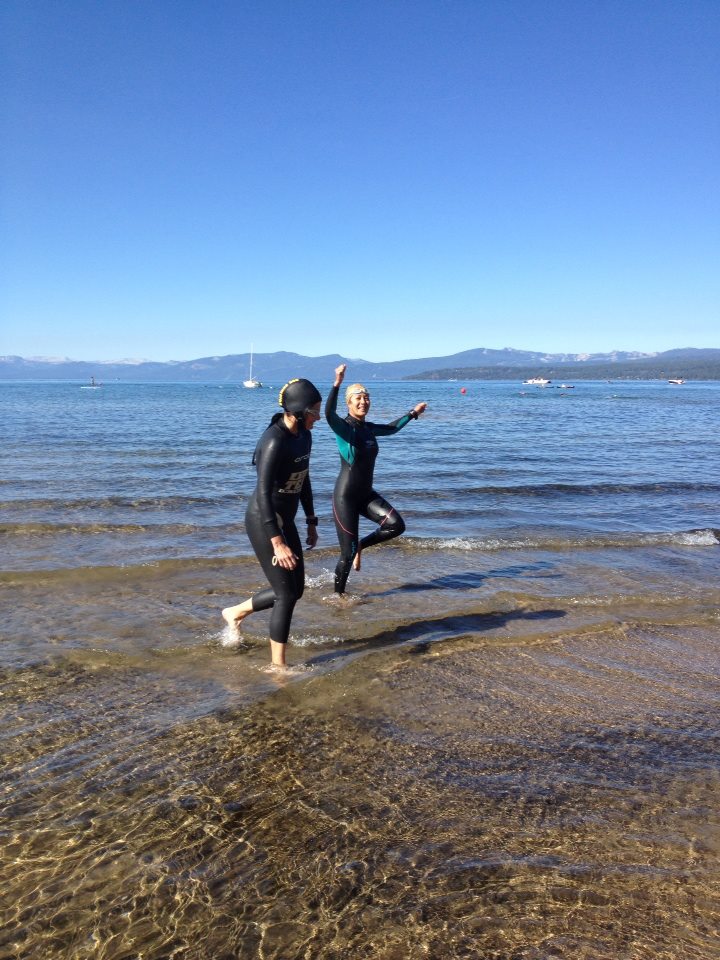
How to enter and exit shallow water (when to run, how to run and porpoising)
Sighting
Breathing in altitude
Drafting
Pacing yourself for 2.4 miles
Practicing one technique of shallow water exiting: skipping.Kristy & future Olympian, Ian
I also had a chance to interview Jeff and ask him for advice on open water swimming and preparing for Ironman Lake Tahoe: The Hungry Athlete: What carbo load meals do you enjoy or what you have learned from your past racing experience and during training?
Jeff: I think the most important thing is to focus on eating “real” food and balancing carbs with high quality protein and healthy fats. Eating a huge plate of spaghetti is just going to spike your insulin and make you crash. Also, because endurance athletes have such a high caloric demand they tend to overload on gels, bars and sports drinks. The trade off is they don’t have much in the way of nutrients. During heavy training, I think it is good to use high glycemic fruits and vegetables as the major carb source. Here in my house, we are obsessed with sweet potatoes and yams! One of our favorite recipes is to cut up yams and grill them in a foil pan with red onions, olive oil and garlic salt. Yum! Of course, gels, bars and sports drinks have their place during training and racing, but I encourage people to look for opportunities to substitute real food where they can.
The Hungry Athlete: What do you recommend we eat before the swim, particularly because most of us cannot drink or eat during the 2.4 miles which for some of us, can mean as long as 2 hours swimming without nutrition or hydration. Jeff: Eating lots of high quality foods and being well hydrated during the 3-4 days prior to the race is probably more important than the pre-race meal. You want to make sure your glycogen stores are topped off and then eat whatever you normally eat on race day (but maybe more of it). The day of the race is not the time to introduce new foods into your diet.
The Hungry Athlete: Do you recommend carrying a GEL to take, without water, during the swim?
Jeff: Nutrition during an IM swim is an interesting problem, especially for slower swimmers that are spending upwards of 2 hours in the water. Once again, having your glycogen topped off and being well hydrated before the start are critical. I would also stick a gel or two in your suit. The 10 seconds it takes to down a gel is well worth it if it saves you from bonking later in the day (please take your empty gel packet with you!). Unfortunately, there really isn’t a good way to hydrate during the swim, so you will need to catch up during T1 and the bike. The amount of gel you can tolerate without water is highly individual, so it is important to experiment with this prior to race day.
The Hungry Athlete: What are your tips for preparing to swim at altitude?
Jeff: Unfortunately, nothing can take the place of living at altitude, but there is a fair amount of acclimatizing that takes place during the first 72 hours at altitude, so I recommend arriving by Wednesday for a Saturday race. Also, coming up for training weekends where you spend 48 – 72 hours sleeping and training at altitude will help you acclimatize quicker and sort our your paces and heart rate zones for race day.
The Hungry Athlete: What is one of your favorite healthy recipes?
Jeff: Green Chili Turkey Burgers is one of our favorite recipe’s that we borrowed. I highly recommend this recipe. It is delicious and healthy.
While training for Ironman Lake Tahoe, I had the pleasure of being coached by Jeff Pearson, one of the best open water swim coaches, Jeff Pearson, a professional swimming coach with 20 years experience, which includes, the USA National Team. As a swimmer, Jeff was also a member of the USA Swimming National Team and won the USA Swimming National Championship in the 10K open water. Jeff still holds the United States Masters Swimming 2 mile cable swim National record.
Information about Jeff’s swim clinic and my interview with Jeff can be found here:
In a medium sized bowl, mix diced chili with turkey, cilantro, onion, cumin, chili powder and salt
Form into burgers and grill
I modified this recipe to create a burger with a sweet and spicy flavor. I replaced 1 (4 oz) can of diced chili with ½ cup of finely diced apple (1 medium apple).
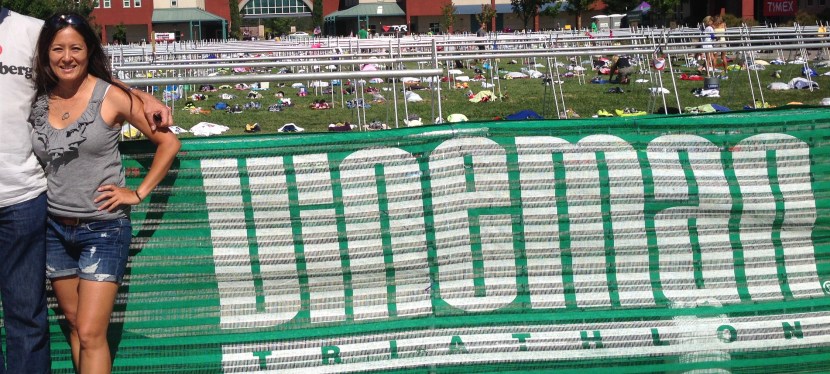
The Vineman 70.3 Half Ironman is one of my favorite courses to race. A qualifier for the Ironman World Championship 70.3, this triathlon attracts a competitive field. It is also a very scenic course taking athletes on a tour by Sonoma’s picturesque vineyards and wineries.
Swim
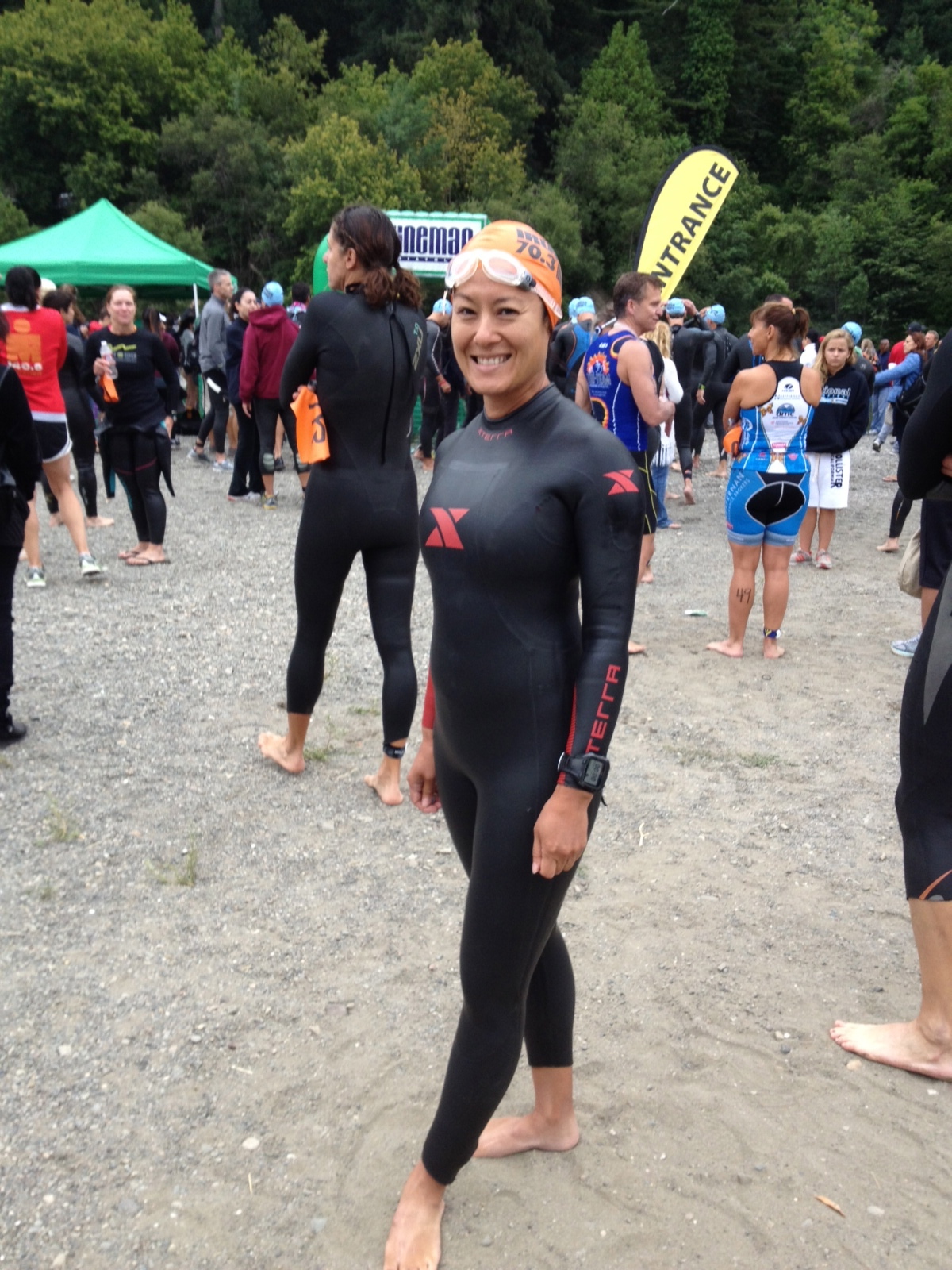
I arrived early at the Russian River and felt relaxed. The start was located in Guerneville, about 16 miles from the finish in Windsor, California. It was overcast and air temperatures in the low 60’s F. I felt cold standing in my wetsuit waiting to start. I tried to warm up by jogging in place and doing jumping jacks on the beach. Fortunately the water temperature was about 70-71F which was warmer than the air temperature. It felt good to jump in.
I decided to swim to the far right this year to avoid getting trampled on by the 30 year old male triathletes in the waves behind me. Last year, 2 guys swam right over me causing my swim cap and goggles to come off. As a result, I lost 1 contact lens. This made for an interesting bike ride last year. Little did I know, I’d have another “interesting” bike ride this year.
For the first time during the swim, I looked back a few times to see if there were any swimmers right behind me. This probably cost me a little time but it provided me with comfort. No one swam over me this year. For the second year during this race, I stood up and walked during the swim even though I promised myself that I would not waste energy trudging through the water. The river is notoriously shallow in some parts. The water level seemed even lower this year. Once I felt my hands scrape the bottom of the river, I broke my promise and walked.
My overall swim time was almost exactly the same as last year, however I believe I’m a better swimmer this year. I felt strong at the finish and kicked harder. Had I not swam so wide, not looked back for swimmers behind me and walked less, I suspect that I would have had a faster swim time.
T1
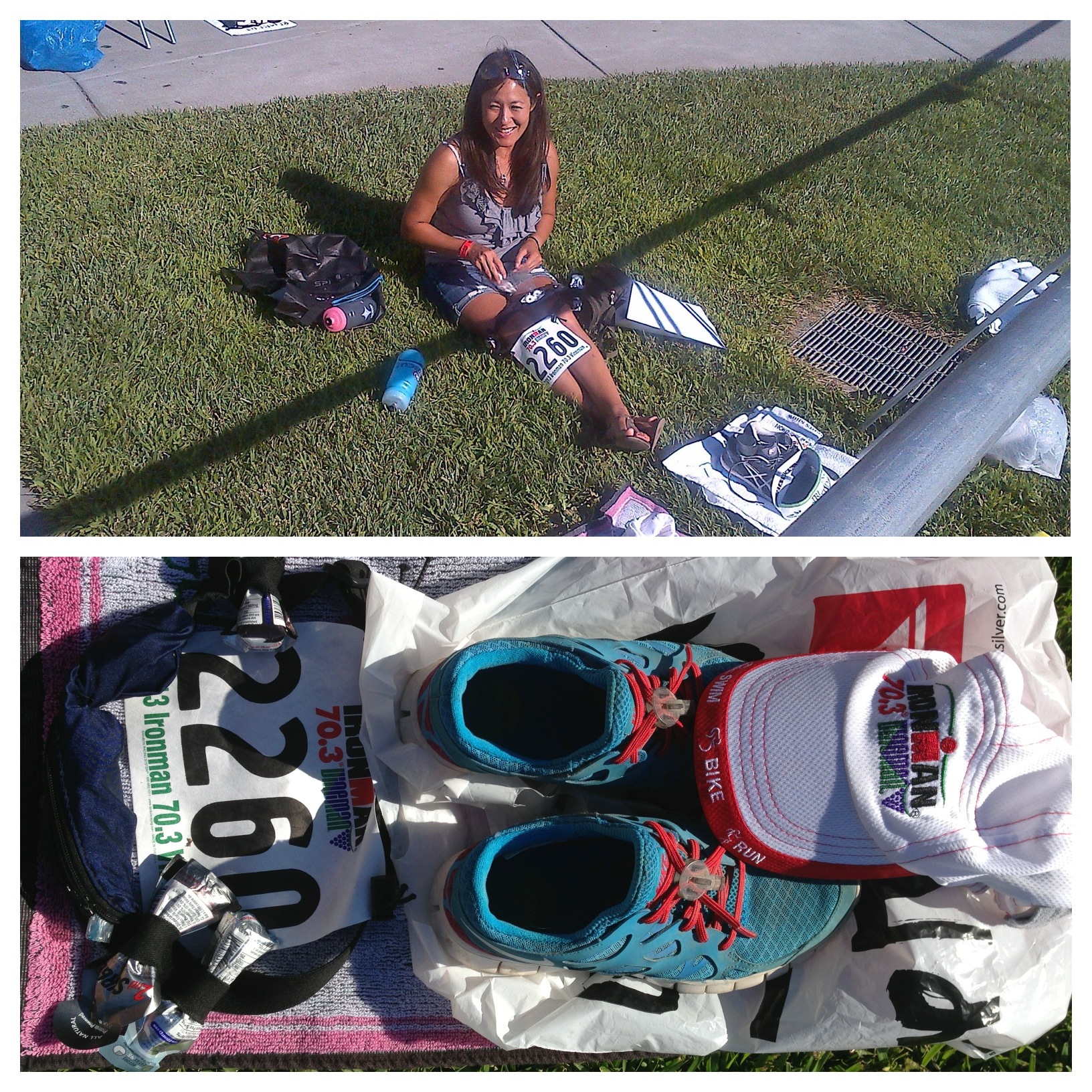
I stuffed my bike shoes with a sock in each; my heart rate monitor in the left shoe and my sunglasses inside my right shoe. In the back of my mind I always worried about leaving my expensive Oakley sunglasses out in the open but dismissed that thought. I naively believed there would be no reason for theft since each of the athletes would come prepared with their own gear. I was wrong. My sunglasses were missing from my neat little set up. Nothing else was disturbed. I looked all over wondering if it somehow got kicked around. I’m not sure how that would happen without other items, like my bike shoes, being disturbed. My heart rate monitor and socks were still tucked inside my shoes, just as I had left them.
Searching for sunglasses.
I shouted out to a few friends volunteering and spectating to see if they had an extra pair of sunglasses for me to borrow. No such luck. A good friend volunteering that day ran back to T1 with me to help me look for them again. I was hoping they were hidden in my T1 gear. Unfortunately they were not. I fretted for a minute thinking about what it was going to be like biking without my sunglasses. I had already sustained an eye injury and scarred my cornea last year so I was extra cautious when it came to protecting my eyes. No time to fret. I grabbed my bike and got on it as quickly as possible. My T1 time was over 11 minutes, twice the amount of time I had hoped for.
Bike
I am behind schedule and riding by myself for the first few miles. Most of the field is ahead of me. This helped me to relax and settle into my ride. I then noticed that my Garmin was not displaying my average pace or the mileage. It’s not picking up the satellite. I didn’t want to turn it on and off in the middle of the race and hoped it would eventually pick up the satellite. It does not. I had to ask other athletes what mileage we were at along the way. Fortunately, my heart rate monitor was working. I relied strictly on heart rate and feel for the entire 56 miles. To make the ride even more interesting, my chain jams a few times. About 1/3rd of the way into the ride, my front derailleur is unable to move the chain out of the small ring. Perhaps the jam threw the derailleur off. My Vision shifters are also jammed. Great! Perhaps some bike mechanic skills would have helped here. Other than changing a flat, I possessed no bike repair skills. Stuck in the small ring, I continued to ride and hoped I’d make it up Chalk Hill without any major issues.
I followed the strategy prescribed by my coach, which was to ride conservatively and not push myself until after Chalk Hill. Chalk Hill felt like a mere bump in the road. That’s good! It was a sign that I did not push too hard or too soon. With permission to ride more aggressively, I passed a few athletes post Chalk Hill. I had been playing cat and mouse with three 30-something guys for the last half of the course. One of the guys I chicked, passed me back however he could not maintain his pace. I got stuck behind him on a road with a narrow shoulder. There was a lot of car traffic preventing me from passing him back right away. I felt a little frustrated then finally found an opportunity to pass him back. It took longer than I liked.
The last stretch into town was comfortable and flat. I tried to make up some time but was still stuck in the small ring. At least this allowed me to spin my legs and I was able to easily run with my bike to T2 as soon as I dismounted.
T2
I overshot my T2 row which confused me for a moment. I quickly realized where my running shoes were. I took an extra minute in T2 to take some fluids and a Salt Stick. It felt warm and I did not want to cramp. Last year I grabbed everything and took salt and fluids while running which was a better strategy. My T2 was a minute slower compared to last year.
Run
My legs felt heavy on the run but I quickly found my pace. I have chronic hip and glute pain which flared up the day before. I had been dealing with this all year. It’s a bit uncomfortable but I knew I would be able to run through it. I saw Coach Tom during the first few miles of the run and again towards the last 3-4 miles. He told me to keep on smiling. It felt warmer compared to the prior year. My wave was also later this year (3rd to last) so I am one of the last groups out on the road with fewer athletes to run with. I dumped cold water on my head and put ice inside my sports bra at every water station. Last year, I ran by a few aid stations without stopping. This year I took my time and stopped at each one.
I caught up to some of the athletes who passed me on the bike. I noticed one lady in particular, because of the triathlon kit she was wearing. I recognized that she was a member of a team a good friend was a member of. She was in my wave. I also passed her back and forth on the bike and then I passed her on the run, twice, which surprised me as she never passed me back on the run course. I made a mental note of her race number. I wanted to see if she was missing time recorded by the timing mats on the run. Sure enough, she confirmed my suspicion that she cheated. She cut out a portion of the run that travels through a vineyard. Shameful.
Coach Tom refused to give me a time goal this year. He knew it would be hard for me to attain this based on all the training I was doing for Ironman Lake Tahoe. Even though my legs felt heavy, I thought I achieved a negative split on the run. I didn’t even come close. I was able to run most of it, only walking at the aid station or up a hill. Most of the people I passed were walking or running very slowly. It wasn’t my best pace but I was pleased to be running and not cramping.
I finished the run with an average pace 30 seconds per mile slower than the prior year’s. My overall race time was 19 minutes slower compared to last year. My nutrition was spot on. I did not feel beaten up at the end. It was a good race. I enjoyed it very much and look forward to doing it again next year.
Nutrition
I started my carb loading and hydration loading with Osmo Pre-Load 48 hours prior to the race. I typically try to stay hydrated all season long. I’ve been taking a Nutrition for Endurance Athletes class at Stanford and have incorporated the following into my Pre-Race nutrition and hydration routine:
Carb load 3 days prior to the race, consuming 2x the amount of carbs I normally do. You can carb load 2 days prior. I tend to under eat and cramp, so I like to carb load 3 days prior to ensure I had enough glycogen stores built up.
Extra calories should come from starches (bread, pasta, rice, potatoes, yams, oatmeal, etc), however I consume the same total amount of protein, fat and vegetables as I normally eat in a day.
Eat 2x as often, keeping the amount of carbs in any one meal the same as I normally eat.
Drink an extra 1-2 liters of water to hydrate the newly formed glycogen.
Try to eat the healthiest calories with less salad and vegetables than I normally consume to avoid excess fiber that can potentially cause GI distress.
For details and photos of what I actually ate, check out this link:
Wonder how the Hungry Athlete carbo loads? In preparation for my half Ironman this past weekend, I carb loaded…
On Race Day, I ate a berry scone, banana, potato gnocchi and drank Osmo Pre-Load. Since I had to wait almost an hour before my wave started, I ate a granola and cranberry bar and continued to sip Osmo Pre-Load while standing around in transition.
On the bike I planned to have at least 4 hours of nutrition on me. I actually needed less than 3.5 hours of nutrition.
PLANNED CALORIES
ACTUAL CALORIES
ACTUAL CONSUMPTION
Total Time including stops
4
3.5
BIKE total calories per hour
250
250
Total calories needed
1000
875
CALORIES
QTY
TOTAL
CALORIES
QTY
TOTAL
Bonk Buster Bar Blueberry Oat
220
1
220
220
0.5
110
Carbo Pro
100
8
800
100
8
800
Osmo
35
4
140
35
4
140
TOTAL CALORIES
1160
1050
I always want to get off the bike feeling full and ahead of my nutrition rather than behind. On the run I consumed only gels, Salt Stick, water and drank coke starting the last 6 miles of the run. No GI issues and I felt I had enough calories in me.
Takeaways
1) Hide your valuables (sunglasses, heart rate monitors, etc) under a towel or bag in transition. In a panic and rush, your fellow triathletes may also trip over or kick your stuff around.
2) Listen to your coach. I posted the following on my coach’s Facebook page a few months ago. He got a good chuckle out of it.
While I’m a pretty good student and take instruction well, I have to admit, even though coach told me I would not PR at Vineman due to my Ironman training, my ego still thought I might be able to pull it off or at least come close to last year’s time of 6:35.
3) Periodization, tapering and recovery are just as important as the hard training. Over-training can lead to poor results or injury. This is particularly important at my age. I want to make sure I stay healthy enough to continue to do triathlons as long as I want to.
4) After the race, I had the Vision shifters replaced by Shimano Dura Ace which are much more reliable. Tune up your bike before every race. Perhaps I should learn some basic bicycle maintenance skills.
5) Start out slow on the run. Last year I was able to negative split the run by starting out conservatively. I went out too fast on the run this year.
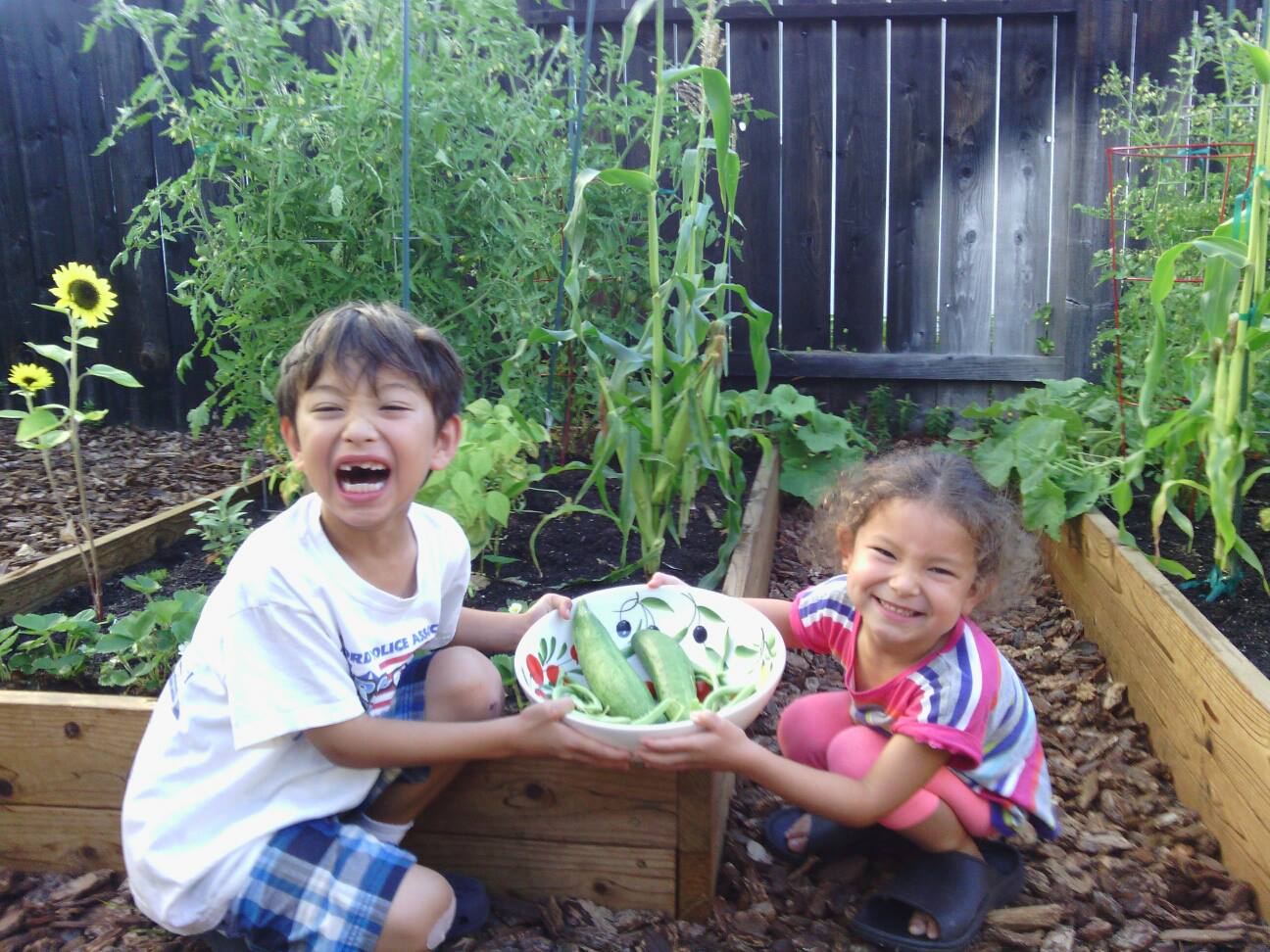
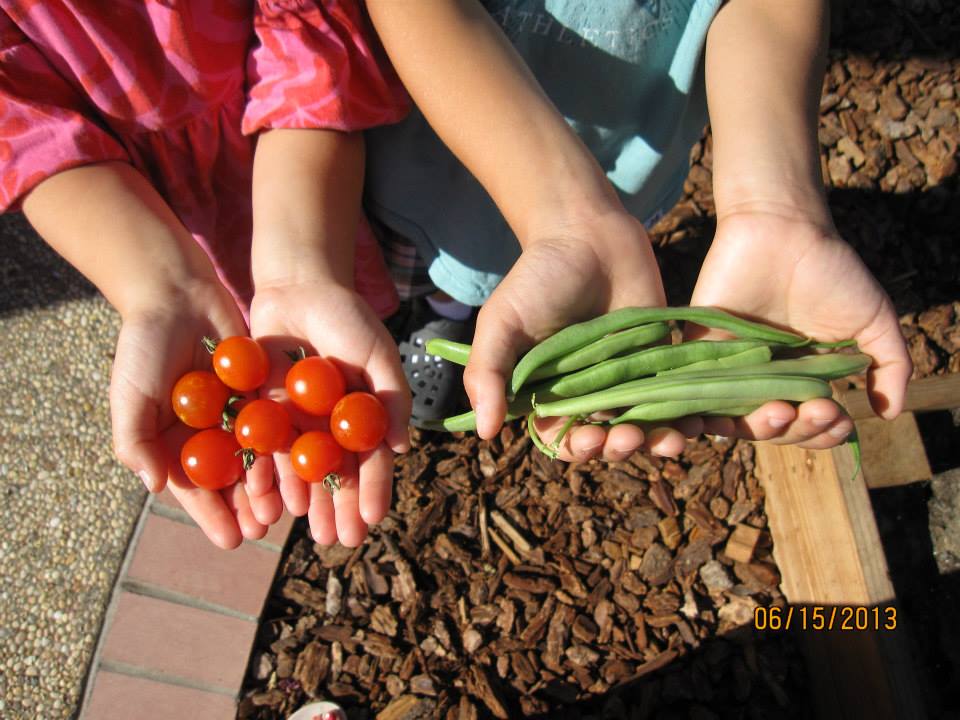
A great way to encourage children to enjoy eating vegetables is to teach them how to grow their own garden. Chloe’s and Zachary’s parents built two garden boxes in their back yard, one for each child. The children planted their first garden in the Spring, watered it diligently and watched with excitement, their garden grow before their eyes. They were recently rewarded with strawberries, corn, tomatoes, cucumbers and string beans.
Innocently unbiased and ferociously inquisitive, Chloe and Zachary will ask to taste all the ingredients in its raw form no matter what it is. When I cook with them, I guide them on what they should or should not try and am thrilled they are willing to try everything. What a wonderful way for the children to appreciate the true flavors of raw vegetables and understand how their flavors can change when cooked or seasoned.
My Roasted Corn, String Beans, Tomato and Cucumber Orzo Salad was inspired by Chloe’s and Zachary’s garden. The vegetables in this recipe are either raw or lightly cooked so their freshness can be enjoyed.
This salad can either be served as a side dish or as a vegetarian main course. Add chopped roasted chicken for a protein-rich main course.
Ingredients:
1 cup dried orzo pasta
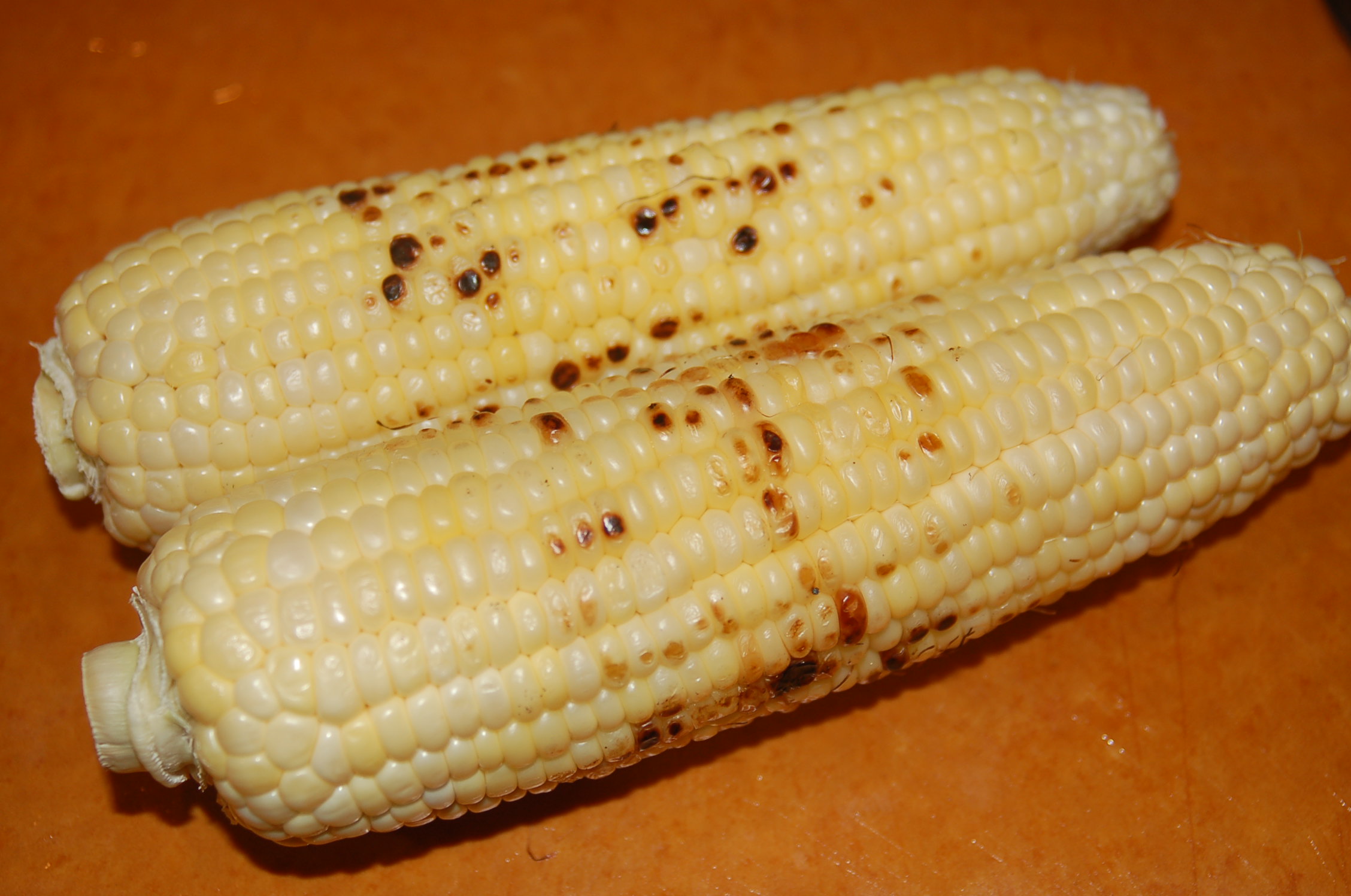
2 ears fresh corn, roasted
1 pound green beans, blanched
1 cucumber, seeded and cut into 1/2 inch cubes
2 cups cherry tomatoes, rinsed, stemmed, and cut in half or thirds depending on size
1/2 cup coarsely chopped parsley
½ cup lemon juice
1/3 cup extra-virgin olive oil
2 tablespoons Dijon mustard
Pinch Salt
¼ teaspoon ground black pepper
Directions:
Cook orzo in boiling water for 8-9 minutes until barely tender. Drain and rinse in cold water.
Husk corn and roast on grill until some of the kernels are evenly browned on all sides. Remove the corn kernels by holding each cob upright on it’s stem and carefully running a sharp knife down the cob over a large bowl. Add cooked orzo.
Cut green beans into 2-3 inches. Blanch in boiling water for 2-3 minutes. Green beans should still have a crunch. Drain and place in ice water. Drain again and add to orzo and corn.
Cut cucumber in half. Using a teaspoon, scoop out the seeds. Cut the cucumber halves into thirds or quarters lengthwise. Then cut into ½ inch cubes.
Cut cherry tomatoes in half or thirds depending on size. Add cucumber and tomatoes to orzo, corn and string beans.
Rough chop parsley and add to orzo mixture.
Whisk together olive oil, lemon juice and Dijon mustard. Add salt and pepper and whisk again.
Pour over orzo and vegetables. Toss well. Allow the orzo salad to sit for at least 1 hour to absorb the flavors of the dressing.
















 The Hungry Athlete